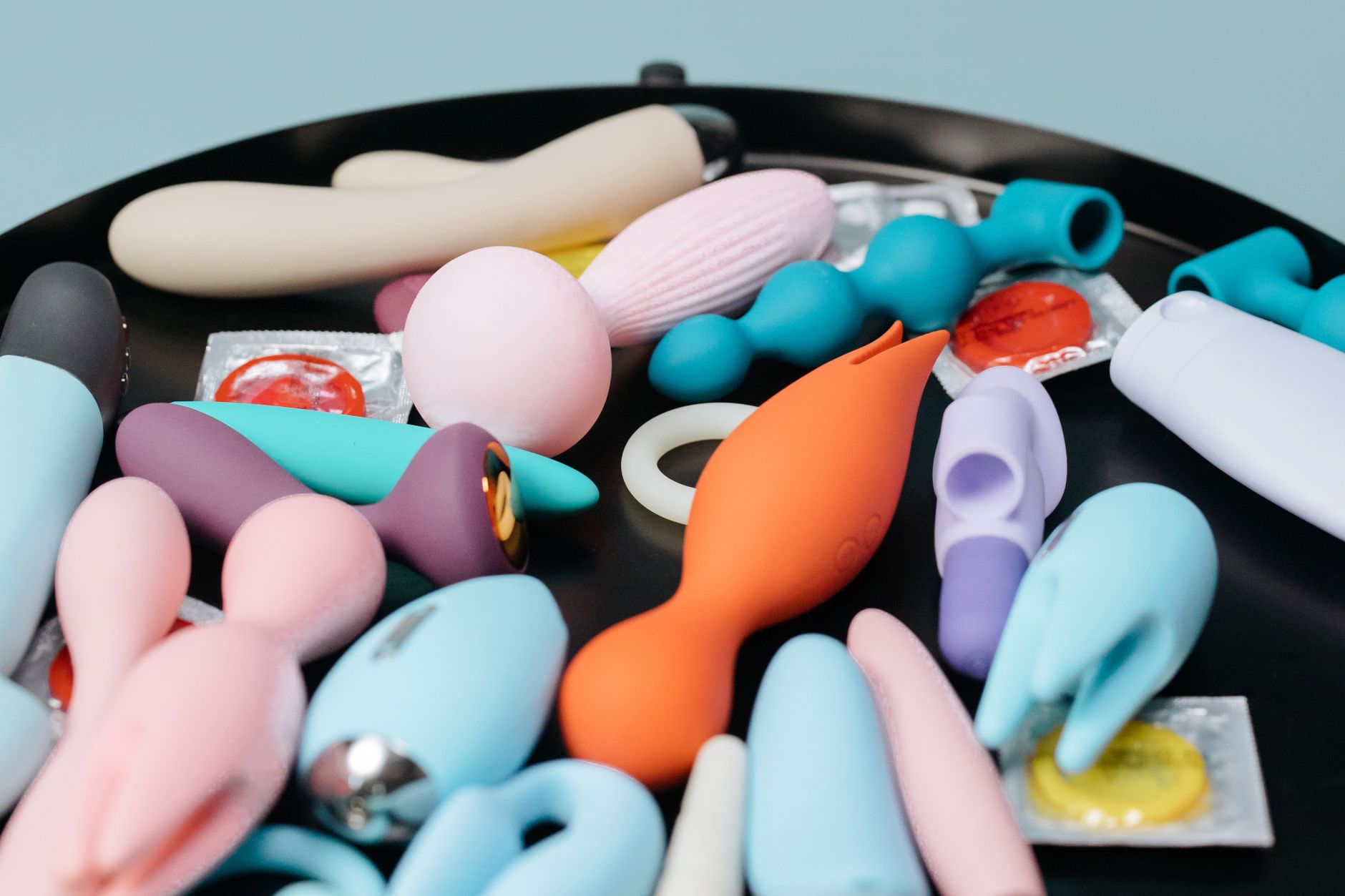
How Lemon Vibrators Help When Desire Returns After Long-Term Depression
Let's be real. Depression doesn't just make you sad. It makes everything feel like you're living behind glass. Food tastes like cardboard. Your favorite song plays and you feel nothing. And sex? Desire doesn't exist. The thought of your own pleasure might seem impossible, or worse, like something you should be ashamed of for not feeling.
Then medication kicks in. Therapy works. The fog lifts. And suddenly you're standing in front of a mirror wondering if your body is still yours.
When desire returns after long depression, it doesn't come back the way it left. It's tentative, confusing, sometimes greeted with guilt because you've spent months not thinking about sex at all. Your nervous system has been in hibernation. Sensation feels distant. Orgasms, if they happen at all, feel muted or even wrong. This is the gap between "my brain chemistry is stabilizing" and "my body remembers what pleasure feels like." And it's messy.
This is where lemon vibrators come in. Not as a fix, but as a bridge.
Why depression specifically numbs pleasure
Depression rewires reward pathways. It's not that you're not trying hard enough or that something is broken in you. Your brain chemistry genuinely stops registering pleasure signals the way it normally would. The dopamine and serotonin dysregulation that causes depression also dampens the neural cascade that creates sexual arousal and orgasm.
When antidepressants stabilize those pathways, something interesting happens. The emotional fog lifts, but your body's pleasure response doesn't automatically switch back on like a light. It wakes up slowly, unevenly, and sometimes in ways that feel unfamiliar because you've been without it so long.
Many people describe it as feeling numb in their genitals even when their mood has improved significantly. This isn't unusual. It's your nervous system catching up.
The gap between readiness and sensation
Your brain might be ready to feel good again. Your body might lag behind. Or the opposite happens. Your body wakes up first, and your mind feels guilty for wanting pleasure when depression told you for months that you didn't deserve it.
That's why rebuilding works better with low-pressure, high-sensation tools. Lemon vibrators, particularly the suction-based designs, create sensation that doesn't require you to perform anything or feel anything a specific way. You're not trying to orgasm. You're just waking up your nerve endings.
How suction specifically helps post-depression sensation
Regular vibration works by direct stimulation. If your nerve endings are already tired, desensitized, or overwhelmed by being "turned back on" all at once, regular vibration can feel irritating rather than pleasurable.
Suction works differently. It creates a gentle pressure that stimulates a larger area of nerve endings at once without the same friction-based intensity. For someone rebuilding after depression, this matters. You get stimulation without overstimulation. You get a signal reaching your nervous system without it feeling jarring.
Lemon vibrators like the Lem use air-suction technology specifically designed to be gentler on tissues and more adjustable for sensitivity levels. This means you can start at pattern 1 and listen to your body instead of forcing yourself into a predetermined intensity.
Starting again without pressure
One of the cruelest parts of post-depression sexuality is the pressure you might put on yourself. "I should want this now. My meds are working. Why can't I just feel normal?"
Normal is not the goal. Reconnection is.
When you pick up a lemon vibrator, you're not auditioning your body. You're not trying to prove to yourself that you're "better." You're just exploring what sensation feels like now. In your 20s, pleasure might have been reflexive. After long depression, it's investigative. That's okay.
Start with low expectations. Literally. Set the vibrator to the lowest pattern. Spend time noticing what sensations register. Does your clitoris feel numb? Hypersensitive? Somewhere in between? There's no wrong answer. You're gathering data about your own nervous system.
Many people find that after a few sessions of just exploration, without trying to orgasm, orgasms start appearing naturally. Your brain stops anxiously monitoring and your body remembers what it's supposed to do.
The role of safety in rebuilding
After depression, your body might not feel like your own. You might feel disconnected from it or ashamed of it for failing you during the worst months. Rebuilding pleasure has to happen in a context where your body feels safe.
This means:
- Choosing a private space where you won't be interrupted or worried about being discovered.
- Giving yourself permission to stop anytime something doesn't feel good.
- Not setting a goal of orgasm. Just touching, exploring, noticing.
- Using something clean and designed for this purpose (like a lemon clitoral vibrator) rather than improvising, which can feel less intentional and less safe.
Lemon vibrators are designed with your body in mind. Medical-grade silicone, intuitive controls, patterns you can actually choose rather than endure. This intentionality matters when you're rebuilding trust with your own nervous system.
When medication side effects complicate things
Here's something worth knowing: some antidepressants make orgasm harder. Particularly SSRIs. This is frustratingly common and often goes undiscussed because doctors assume you won't ask and you assume it's just part of recovery.
It doesn't have to be permanent. Sometimes adjusting dosage, timing doses differently, or switching medications helps. Sometimes adding a small dose of a medication that counteracts sexual side effects works. But in the meantime, while you're figuring that out with your doctor, lemon vibrators can still help.
If orgasm is harder because of medication, suction-based vibrators tend to be more effective than traditional vibration. More people report achieving orgasm with air-suction devices even when other toys feel useless. This isn't magic. It's just physics and anatomy working together in a way that accommodates medication-altered arousal patterns.
If you're on antidepressants and struggling with desire or sensation, that's worth mentioning to your prescriber. Many of them have solutions, and many of them will feel relieved that you brought it up because they know it's a real issue and they want to help.
Rebuilding with a partner (or not)
If you're partnered, you might be navigating their feelings about your depression alongside your own. Partners sometimes feel rejected, confused, or worried during depressive episodes. When you start wanting sex again, there's relief on their side, but there can also be weirdness. They might want to jump back into your previous sexual rhythm, but you're not at that place yet.
Using a lemon vibrator alone first, without partner pressure, gives you a chance to remember what your own pleasure feels like before you layer in someone else's needs or expectations. This is not selfish. This is foundational.
Once you've reconnected with solo sensation, partnered sex becomes less charged. You're not performing recovery. You're inviting your partner into a pleasure you've rediscovered for yourself. That distinction changes everything.
If you're not partnered and you're exploring solo, the same principle applies. This is for you. Not for anyone else. Not to prove you're better. Just to remember.
The timeline is not linear
Don't expect sensitivity to return smoothly. Some days sensation will feel vivid. Other days you'll feel numb again, and panic will spike because you'll think depression is returning.
It's usually not. It's just your nervous system having an off day. Rest, come back tomorrow.
Rebuild gradually. If you're using a lemon vibrator, spend a few weeks at patterns 1-2 before moving up. Let your nerve endings wake up slowly. There's no prize for intensity here.
Some people take weeks to feel anything. Some take months. Some notice that sensation comes in waves. All of this is normal.
When to check in with someone
If you've been depression-free for several months and sensation still feels completely absent, or if you're experiencing pain, it's worth checking in with your doctor or a therapist. Persistent numbness can sometimes indicate medication needs adjustment. Pain can sometimes indicate something else entirely.
Most of the time, though, rebuilding just takes patience and the right tools. A lemon vibrator gives you a way to explore your own body on your own timeline, with no pressure to perform or feel a certain way.
Your desire doesn't have to come back the way it was. It might come back different, slower, more intentional. That's not a failure. That's recovery.
Questions people ask about desire after depression
Can depression permanently damage my ability to feel pleasure?
No. The nervous system is remarkably plastic. Even after years of depression, sensation and desire return for most people once brain chemistry stabilizes. It might take time. It might feel different than before. But the capacity for pleasure is still there.
Is it normal to feel guilty when desire returns?
Very normal. Depression often carries shame, and when it lifts, some of that shame lingers. You might feel guilty for wanting pleasure, for "wasting" months, for your body not cooperating sooner. These feelings fade as you actually experience pleasure again and remind yourself that wanting good things is not shameful.
Why do lemon vibrators feel better than other toys when I'm rebuilding?
Suction-based vibrators like lemon toys create a different type of stimulation than traditional vibration. They're often gentler, more adjustable, and seem to work better for people with desensitized or overwhelmed nerve endings. That said, everyone's different. If something else feels better to you, use that.
What if I still can't orgasm even with a lemon vibrator?
Orgasm isn't the goal right now. Sensation is. Many people find that when they stop chasing orgasm and just explore feeling good, orgasms appear. If they don't, that's okay too. Pleasure exists without orgasm.
Should I tell my partner I'm using a vibrator to rebuild?
That's your call. Some people find it helps to be open, especially if they're later having partnered sex. Others prefer to rebuild solo first. There's no rule here except honesty with yourself about what you need.
How long does it usually take to feel normal again sexually?
It varies wildly. Some people feel reconnected in weeks. Others take several months. The pressure to have a timeline usually makes it longer, so try to resist setting one. Your body will let you know when sensation is back.
Moving forward
Despression is not your fault. The numbness it creates is not a reflection of your capacity for pleasure. And the time it takes to rebuild is not wasted time. Every gentle exploration, every moment you spend noticing what your body can feel, is part of getting yourself back.
Lemon vibrators are tools for that work. They're not a cure for depression, but they can help bridge the gap between chemical recovery and embodied pleasure. They let you explore your own sensation at your own pace, without pressure or performance.
If you're standing at the edge of desire returning after long depression, that's brave. Your body is waking up. It deserves gentleness. It deserves the right tools. And it deserves your own curiosity about what it can feel.