Let's talk about the orgasm that used to knock your socks off
Somewhere in your thirties or forties, you probably noticed it. Not gone. Just different. Less electric. Like turning down the volume on a song you love. You're still having pleasure, but the intensity feels muted, softer, smaller than it used to be. Most people assume this is inevitable aging. It's not.
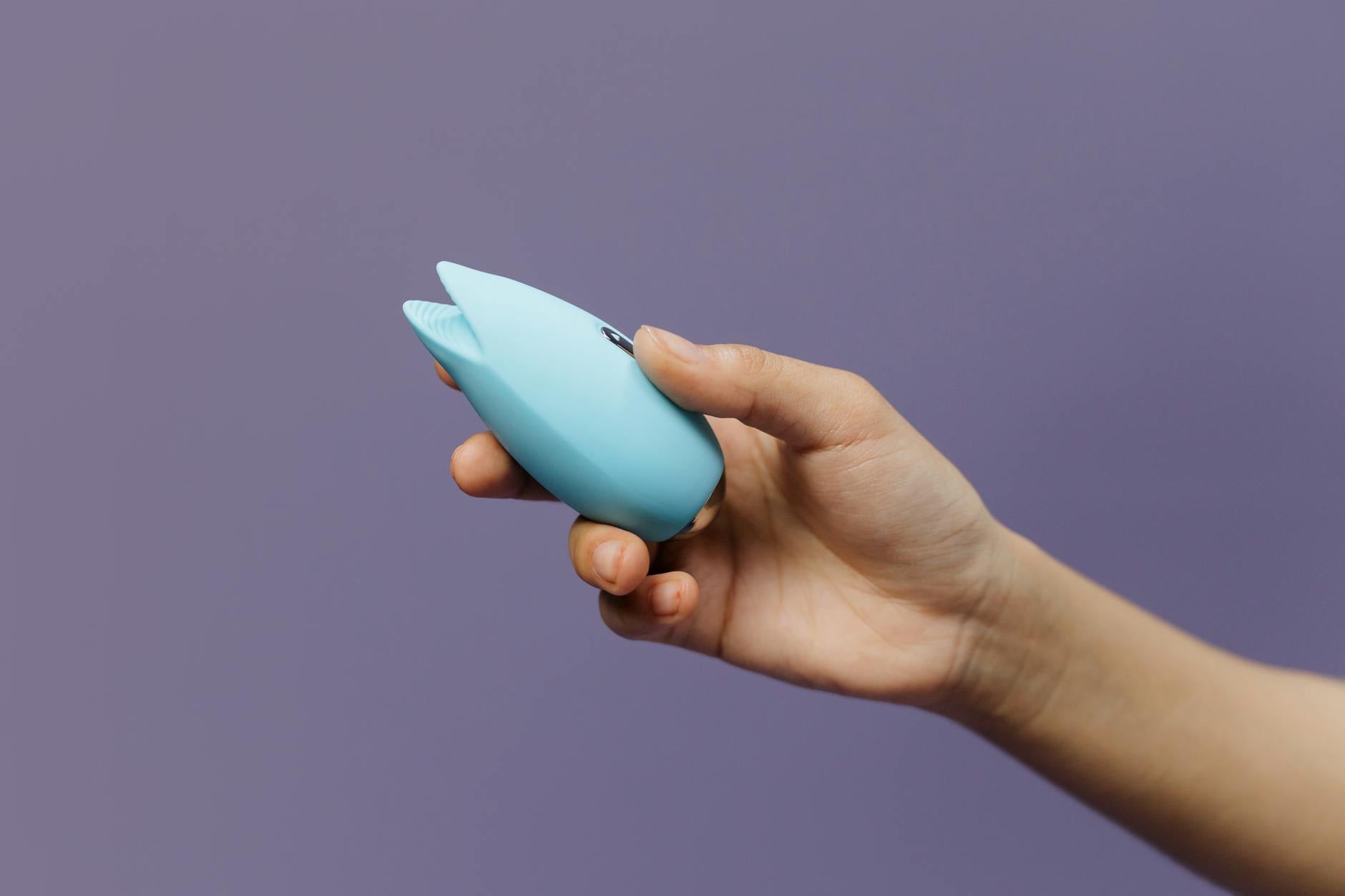
Orgasm intensity is one of the most changeable aspects of sexual response, and it's absolutely responsive to the right approach. Understanding why sensations shift is half the battle. The other half is knowing that lemon vibrators, specifically air-suction designs like the Lemon clitoral vibrator, are uniquely engineered to restore that intensity without relying on the direct friction that often stops working as well over time.
Why orgasm intensity actually changes
Three physiological factors are usually at play, and none of them are permanent.
First, pelvic floor muscles naturally lose elasticity as estrogen declines. When your pelvic floor isn't firing with the same tension, the rhythmic contractions that create the sensation of intensity feel more diffuse. Think of it like a held note played on a tighter versus looser guitar string. The pitch is the same, but the resonance changes.
Second, nerve sensitivity in the clitoris doesn't actually decline with age. What changes is blood flow and how quickly the tissue surrounding the clitoris engorges. Slower engorgement means slower buildup, and a more gradual peak instead of a sharp one. That flatness feels like weakness, but it's really just a different activation pattern.
Third, many people over forty are carrying more stress, managing more transitions (kids, aging parents, work pressure), and spending less mental energy on pleasure. Your brain genuinely controls orgasm intensity. A distracted nervous system produces a smaller response. This part is completely fixable.
How air-suction vibrators change the equation
Most vibrators work through buzz or rapid oscillation. They're fine, but they require direct friction against sensitive tissue, which can actually reduce sensation intensity over time. Your skin habituates. You need more, harder, faster to feel the same thing. It becomes a treadmill.
Air-suction vibrators like the Lemon work differently. They use gentle suction and pulsing air stimulation to create a broader wave of sensation rather than a pinpoint buzz. This approach does two important things for aging bodies:
It activates more nerve endings at once, creating a fuller, more intense sensation without requiring more pressure. The intensity comes from the pattern and breadth of stimulation, not from force.
It doesn't require the same level of tissue engorging and blood flow that traditional vibration depends on. Air-suction works beautifully with the physiological reality of older bodies, rather than fighting against it.
Many clients report that orgasms feel sharper, more whole-body, and more satisfying with a Lemon than they have in years. Not because their bodies improved. Because the tool finally matched their body's actual current needs.
The pelvic floor piece you're probably missing
Here's what most people don't know: you can't vibrate your way out of a weak pelvic floor. You have to strengthen it first, then use the vibrator.
Kegel exercises get the hype, but they're only half the story. Most women over forty have a pelvic floor that's overactive, not weak. Tight muscles produce smaller contractions and weaker sensations. You need both strengthening and deliberate relaxation.
Before using a Lemon vibrator, spend two weeks doing this:
Tight-release cycles. Squeeze your pelvic floor for five seconds, then consciously relax completely for ten. The relaxation is the hard part. Most people skip it. Repeat this five times daily.
Deep breathing during arousal. Shallow breathing keeps your pelvic floor tense. When you're warming up, deliberately breathe into your belly for thirty seconds before touching yourself.
Once those muscles are primed and more responsive, a Lemon vibrator will feel dramatically more intense because your body can actually create those contractions again.
The arousal timeline shift
Orgasm intensity is also directly connected to how long you take to warm up. If you used to get there in five minutes and now need fifteen, the intensity will naturally feel smaller because you're rushing through the plateau phase.
The fix is simple but not obvious: extend your warm-up deliberately. Spend 15-20 minutes on low-intensity stimulation before you bring in the Lemon. Use it on setting 1 or 2 (not the highest level). Let arousal build gradually.
This does two things. Your tissues engorge fully, your nervous system gets properly activated, and by the time you're approaching orgasm, your body is primed for a bigger response. Second, you're training your brain to associate intense pleasure with a longer session, which actually rewires your capacity for satisfaction.
The partner timing problem
If you're having sex with a partner, you might have noticed that intensity drops sharply with another person present. This is usually not about attraction. It's about focus. Your brain is monitoring their pleasure, your appearance, the angle, whether you're taking too long. Your nervous system is partly in social awareness mode.
Orgasm intensity requires your nervous system to be mostly offline from social processing. This is why many people report more intense solo orgasms after forty than they ever had with partners in their twenties.
If partner sex matters to you, set expectations differently. Use a Lemon vibrator with your partner present, but not during intercourse. Let them watch, or use it while they're doing something else nearby. You're not performing. You're demonstrating what feels good and inviting them to participate in a new way.
If you're solo, give yourself permission to take whatever time you need and use whatever tool creates the response you want. Your pleasure is the point.
Medication and intensity
Antidepressants, blood pressure meds, and even some antihistamines blunt orgasm intensity. If you started medication in the last few years and noticed the change timing up, talk to your doctor about adjusting the dose or timing (taking it after sex, not before). Sometimes a small tweak changes everything.
If medication adjustment isn't possible, intensity usually stabilizes after your body adapts. This usually takes 2-3 months. In the meantime, air-suction vibrators tend to work better than traditional ones because they don't rely as heavily on the physiological cascade that medication interrupts.
What to actually try this week
Buy or borrow a Lemon vibrator, or something similar with air-suction technology.
Start with your pelvic floor reset. Two weeks of tight-release cycles and intentional breathing.
Schedule a 25-minute session where you're not rushed. Solo is easiest for the first few times.
Use setting 1 or 2 and spend 15 minutes on warm-up before you even think about the high settings.
Breathe into your belly. Keep your attention on sensation, not on whether you'll orgasm.
Notice what happens. Intensity usually starts returning within 3-4 sessions, sometimes immediately.
If you're months into this and nothing's shifting, check in with a healthcare provider. Sometimes intensity loss is a sign of vitamin B12 deficiency, thyroid changes, or other medical shifts worth addressing.
Your orgasms didn't disappear. They're waiting for the right tool and the right conditions to show up fully.
People also ask
Why do orgasms feel less intense as you get older?
Orgasm intensity shifts due to decreased estrogen (which affects blood flow and tissue thickness), pelvic floor muscle changes, and often increased stress or mental distraction. These are physiological changes, not permanent damage. The brain controls a surprising amount of orgasm intensity, so stress reduction and focused attention matter as much as physical changes.
Can you regain orgasm intensity after menopause?
Absolutely. While hormonal changes are real, the clitoris doesn't lose its nerve density or its ability to respond. Many people report their most intense orgasms after menopause once they prioritize pleasure, use tools that match their body's current physiology (like air-suction vibrators), and stop rushing. Intensity is mostly about approach, not age.
Are lemon vibrators better than regular vibrators for weak orgasms?
Air-suction vibrators like the Lemon work differently than traditional buzz vibrators. They activate more nerve endings at once and don't require the same level of tissue engorgement that traditional vibration depends on. For many people, especially those over forty, air-suction creates more noticeable intensity. That said, what works best is individual. If traditional vibration still works for you, stick with it.
Does pelvic floor weakness actually affect orgasm intensity?
Yes, significantly. A tight or weak pelvic floor can't contract forcefully during orgasm, which reduces the sensation of intensity. The fix isn't just Kegels though. You need both strengthening and deliberate relaxation work. Spending two weeks on tight-release cycles (squeeze, then fully relax) usually shows noticeable improvement.
How long does it take to feel more intense orgasms again?
Most people notice a shift within 3-4 sessions of using the right vibrator, doing pelvic floor prep, and extending warm-up time. Some notice immediately. If you're not seeing change after two weeks of consistent practice, there may be a medication, stress, or medical factor worth exploring with a healthcare provider.
Can antidepressants permanently reduce orgasm intensity?
Antidepressants can blunt intensity while your body is adjusting, usually for 2-3 months. After that, many people regain intensity. If intensity stays low, sometimes adjusting the dose or timing (taking it after sex) helps. Air-suction vibrators often work better than traditional ones for people on medication because they stimulate in a different way than the physiological cascade medication interrupts.
The truth about aging and pleasure
Here's what I've learned working with hundreds of people navigating this shift. Orgasm intensity isn't something that declines and stays declined. It's something that responds beautifully to the right conditions. A vibrator designed for your body's actual physiology. A nervous system that has time to fully engage. A pelvic floor that can actually contract. Partner dynamics that don't require you to perform.
Your pleasure doesn't expire. It just needs you to pay attention to how it works now. And often, the orgasms that come after you've figured that out are deeper, more satisfying, and more reliably achievable than they ever were before.
Ready to explore what actually works for your body right now? Reach out to our team with any questions about finding the right tool for your needs.