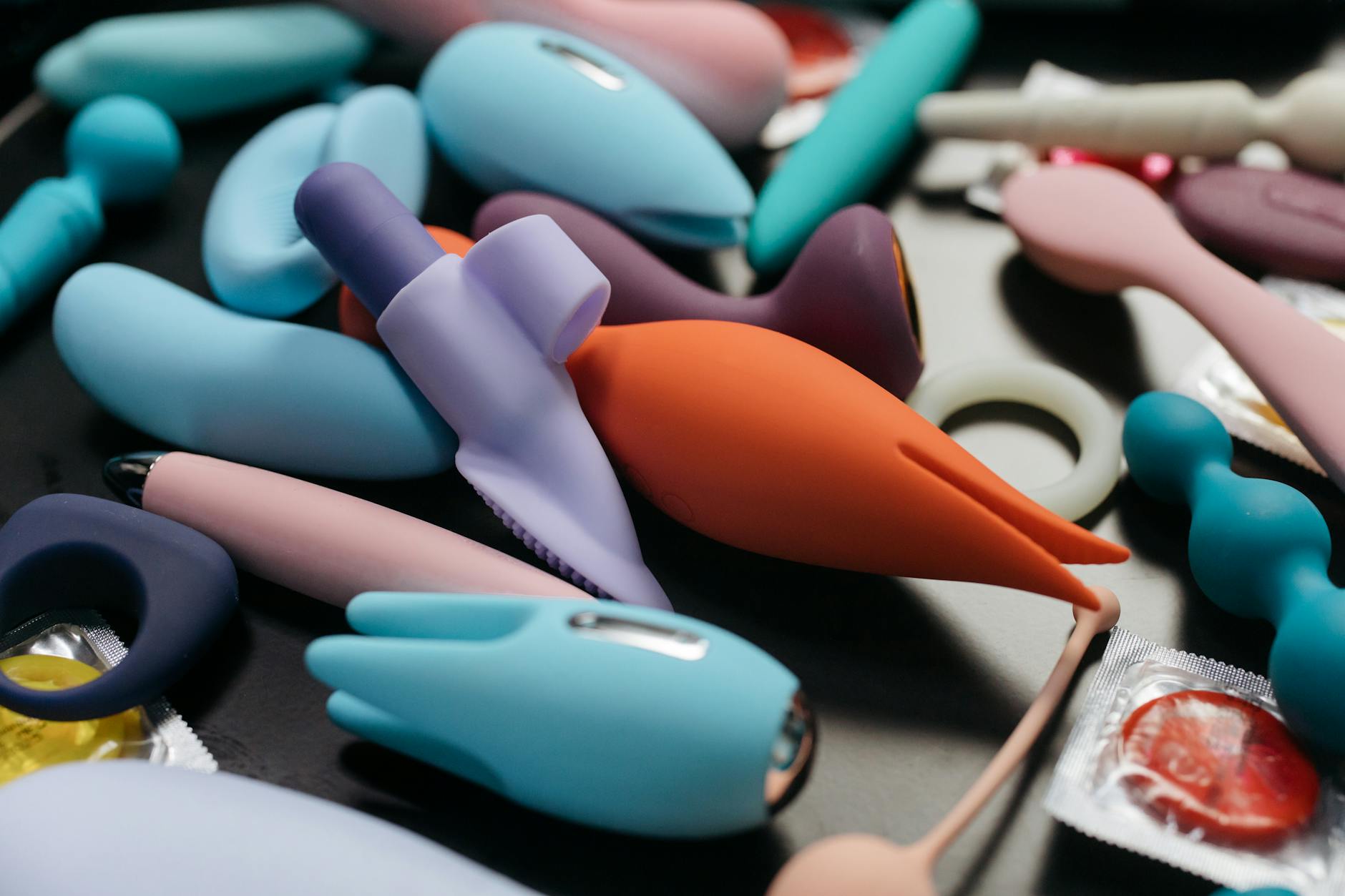
Let's talk about the numbness nobody warns you about
Antidepressants save lives. They also flatten pleasure in ways that feel like a cruel trade-off. You take an SSRI to feel less empty, and suddenly orgasms feel distant, sensation dulls, and arousal takes forever. Many people don't even realize it's the medication causing it until they mention it casually to a friend and hear, "Oh yeah, that's definitely a thing."
Here's what I need you to know: sexual side effects from antidepressants are one of the most common reasons people stop taking their medication. That's not a failure of will. It's a failure of your prescriber to offer real solutions. Numbness is treatable, sensation can return, and your pleasure matters just as much as your mental health.
I've worked with countless people rebuilding their sexual life after SSRI side effects kicked in. The pattern is always the same: acknowledgment, the right tools, patience. Lemon clitoral vibrators fit into that recovery in a way that makes real sense neurologically.
How antidepressants actually change pleasure
SSRIs work by increasing serotonin in your brain. That helps depression. But serotonin also plays a huge role in arousal and orgasm. When there's too much serotonin in specific brain areas, the brake gets pressed on sexual response. Dopamine, which powers desire and that cascade of physical pleasure, gets suppressed. Blood flow to the genitals slows. Nerve sensitivity decreases.
The result? Everything takes longer. Arousal is harder to feel. Orgasms are weaker, harder to reach, or sometimes impossible. Some people describe it as watching pleasure happen behind glass. You know it should feel good. Your body isn't quite getting the message.
This usually happens within weeks of starting a new SSRI or increasing your dose. It's not in your head. It's not a sign that you're broken or that the medication is wrong for you.
Why standard advice doesn't work
Most doctors offer one of three responses: wait three months and it might improve (it often doesn't), switch medications (which disrupts your mental health stability), or take Viagra (which doesn't address the real problem). What they rarely do is acknowledge that you need a different approach to pleasure while your brain chemistry is rebalanced.
This is where lemon adult toys change everything. Air-suction vibrators like Lemon Vibrators Store products work on a totally different mechanism than friction-based stimulation. They bypass the sensitivity threshold that SSRIs have raised. You get direct clitoral stimulation without requiring the whole body to be aroused first.
How lemon clitoral vibrators work with medicated bodies
Traditional vibrators rely on rapid friction and require significant nerve sensitivity to feel pleasurable. When your sensitivity is compromised by medication, you need either higher intensity or a fundamentally different type of stimulation.
The lemon sucker technology uses gentle pulsing suction. It stimulates thousands of nerve endings at once rather than vibrating a localized area. This means you need less overall sensitivity to feel it, and the sensation builds in a way that bypasses some of the neurological braking that SSRIs cause.
Many of my clients on antidepressants report that they can feel a lemon vibrator when they can't feel anything else. That's not magical. It's biomechanics. You're accessing pleasure through a different neural pathway.
Building back sensation: a practical sequence
When pleasure feels numb, rushing doesn't help. Your nervous system needs to relearn what pleasure feels like. Here's what I recommend:
Start with exploration, not outcome. Use your lemon clitoral vibrator on the lowest pattern settings, 2-3 minutes at a time, with no goal of orgasm. You're teaching your body to notice sensation again. This might take weeks.
Notice without judgment. Sensation often returns in layers. First you might feel the suction as pressure. Then as tingling. Then as something closer to pleasure. Each stage counts. Don't skip past it trying to get to "normal."
Lengthen warm-up time. Antidepressants slow arousal. Budget 20-30 minutes before using any toy. This isn't wasted time. Your nervous system is recalibrating.
Layer in sensation. Once you can feel the vibrator on its own, try it with lubrication, different patterns, or different times of day when your nervous system might be more responsive (many people find afternoon is better than bedtime when medication effects are strongest).
Talk to your prescriber
If you're experiencing sexual numbness on an antidepressant, your doctor needs to know. This isn't complaining. It's clinical information that affects your quality of life and whether you'll stick with treatment.
There are legitimate pharmaceutical options worth discussing: timing your dose differently, adding medications that counteract sexual side effects (like bupropion), or switching to an SSRI with lower sexual side effect rates (sertraline and paroxetine tend to be worse; escitalopram and sertraline vary by person).
Don't make these changes alone. Changing antidepressants abruptly is dangerous. But having the conversation opens doors that many people don't even realize exist.
Combining pleasure tools with recovery
If you're using a lemon vibrator while managing SSRI side effects, remember that sensation recovery isn't linear. Some days you'll feel more. Some days less. That's your nervous system recalibrating, not failure.
Pairing your lemon sexual toy with other nervous system support helps: good sleep, exercise, stress management, and sometimes therapy specifically for sexual issues. Your pleasure didn't disappear. It's just temporarily muffled. The right conditions and tools help it return.
The conversation with your partner
If you have a partner, they need to understand that this isn't about them. Sexual numbness from medication isn't a reflection of desire or attraction. It's your nervous system dealing with a chemical shift.
Exploring lemon clitoral vibrators together, or at minimum talking about the fact that you're using one, prevents the shame that often accompanies medicated sexuality. You're not hiding pleasure. You're adapting your approach to maintain it while you're on a medication that matters for your mental health.

Photo by Anna Shvets on Pexels
When should numbness be concerning
Complete absence of any sensation for months, or numbness that gets worse despite dose reductions, warrants a conversation with your prescriber or a sex-positive therapist. Some people do need to switch medications. Others need additional medication adjustments or professional support to rebuild confidence.
But the vast majority of people experience SSRI-related sexual side effects that improve with the right approach, the right tools, and time.
Frequently asked questions
Can lemon vibrators help if I can't feel anything at all?
Yes, usually. The suction mechanism works on a different sensory principle than traditional vibration. Many people who can't feel other stimulation can feel a lemon clitoral vibrator. Start on the lowest setting and give your nervous system time to adjust. If you feel nothing after several sessions, talk to your doctor about medication adjustments.
How long does it take to feel pleasure again after starting an SSRI?
It varies wildly. Some people adapt within weeks. Others take 3-6 months. A few people find they need to switch medications. There's no universal timeline. What matters is that you're not accepting numbness as permanent if it's affecting your quality of life.
Should I stop taking my antidepressant if it's killing my sex drive?
No. Stopping abruptly is dangerous and can trigger withdrawal symptoms. But do tell your prescriber. There are safe ways to address this: timing adjustments, adding other medications, or switching to a different antidepressant that might have fewer sexual side effects. Never make this decision without professional guidance.
Can I use a lemon vibrator while on antidepressants?
Completely safe. Vibrators are tools, not medications. They don't interact with SSRIs. What matters is that you're using one designed for your specific needs. Air-suction lemon vibrators are often better for medicated bodies because they work through a different mechanism than traditional vibration.
What if my partner wants to use the lemon vibrator with me?
That's a conversation worth having. Some couples find that exploring lemon adult toys together helps rebuild intimacy after medication side effects have temporarily dampened things. Others prefer solo exploration first. There's no wrong answer. What matters is that you're both clear about what you want and why.
Is sexual numbness a sign that the medication is wrong for me?
Not necessarily. It means your brain chemistry is adjusting to a new medication that's helping your mental health. Sexual side effects and mental health improvement aren't mutually exclusive problems. You can address both at the same time with the right support and tools.
The path forward
Antidepressants and pleasure aren't enemies. They just require you to rebuild your approach to sensation while your brain rebalances. That looks like talking to your doctor, using lemon clitoral vibrators as a tool to bypass some of that numbness, and giving yourself patience while your nervous system readjusts.
Your pleasure matters. Your mental health matters. They don't have to compete. If you're struggling with this, talking to a sex-positive therapist or your prescriber is the next step. You deserve support on both fronts.
If you want to explore how Lemon Vibrators Store tools might fit into your recovery, our team is here to help. Reach out at /contact to talk through what might work best for your situation.