How Lemon Vibrators Help When You Are Desensitized to Pleasure
Let's be real. You've been doing the same thing for months or years. The same toy, the same motion, the same rhythm. And somewhere along the way, it stopped working the way it used to. What used to take five minutes now takes fifteen. Or thirty. Or it just doesn't happen at all.
That feeling? That's desensitization. And it's not a sign that your body is broken. It's a sign that your nervous system has adapted to the stimulus you're giving it. Which sounds clinical, but what it actually means is this: your pleasure circuits got bored.
Here's the good news. Desensitization is reversible. And lemon vibrators, specifically the kind that use suction instead of traditional vibration, are one of the most effective ways to wake those circuits back up.
What desensitization actually is
Your clitoris has about 8,000 nerve endings packed into a space the size of a pea. When you stimulate it the same way repeatedly, those nerves stop firing as hard or as fast. It's the same mechanism that happens when you wear a scratchy sweater. The first day, you feel it constantly. By day three, you barely notice it. Your nervous system is doing exactly what it's supposed to do: it's filtering out repeated, predictable input.
This isn't laziness. It's adaptation. And it happens to everyone who has been using the same toy or technique for a long time. The research is thin on this specific topic because nobody's funding studies on vibrator habituation, but sex therapists see it constantly. People come in saying things like, "I used to be able to come in two minutes, and now I can't come at all." Or, "I need to use my wand on the highest setting and it still barely works." Those are classic desensitization stories.
The irony is that the harder you push (literally), the faster you adapt. High-intensity, repeated vibration creates faster adaptation than varied, gentler stimulation. Which is why people often end up in a spiral. The toy stops working, so they turn up the intensity, which speeds up desensitization, so they turn it up more.
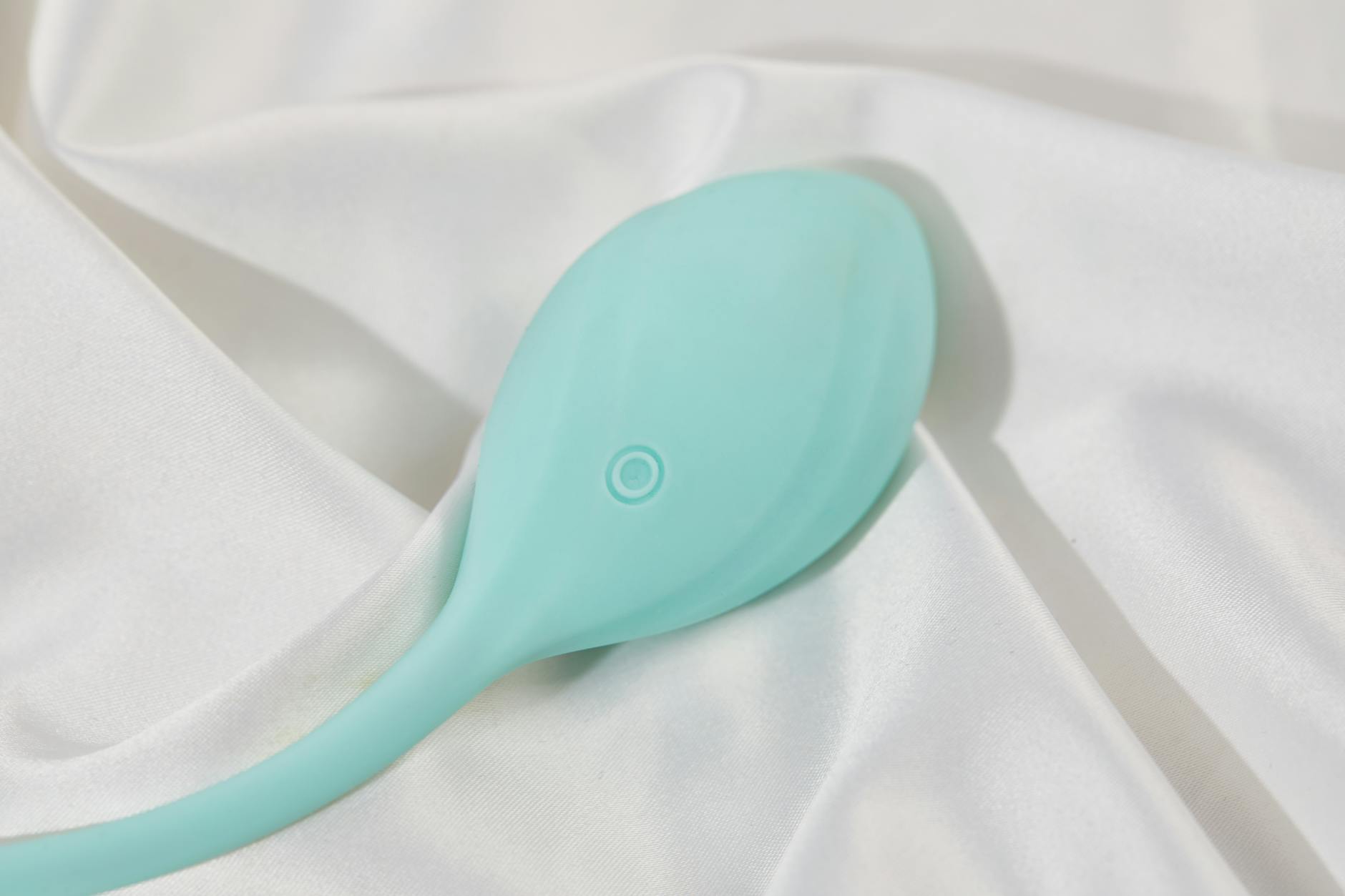
Photo by IFONNX Toys on Pexels
Why lemon vibrators work differently
Lemon clitoral vibrators use suction and pulsing air rather than direct vibration. That distinction is not just a marketing difference. It's neurologically significant.
When you use a traditional vibrator, the nerves in your clitoris are responding to rapid mechanical oscillation. After repetition, those same nerves stop responding as intensely. But suction stimulation hits a different pathway. It creates pressure, engorgement, and a rhythmic release pattern that your nervous system hasn't adapted to in the same way.
Think of it like this. If you've been eating the same flavor of ice cream every day for a year, it stops tasting as good. But that doesn't mean your taste buds are broken. It means they've gotten used to that specific flavor profile. If you switch to a completely different flavor, your taste buds wake up again.
Lemon vibrators are the flavor switch. The sensation is different enough that your nerve endings don't recognize it as "the same stimulus I've been ignoring." They respond as though they're encountering something novel. And for a lot of people, that novelty alone is enough to break the desensitization cycle.
There's also a mechanical piece to this. Suction creates more surface contact and engorgement than tip-based vibration. That means more nerve endings are firing at once, in a pattern your nervous system hasn't learned to ignore yet.
The reset window and how to use it
Here's what I tell clients who are stuck in this pattern. Your nervous system doesn't need a break from pleasure. It needs a change in stimulus. And the lemon vibrator works best if you approach it strategically.
First, give yourself permission to feel clumsy. You've been using the same toy for months. The lemon vibrator is going to feel weird and unfamiliar. That's the point. Don't expect the same immediate intensity. You're retraining your nervous system, not repeating what already stopped working.
Second, start low. Lemon vibrators have multiple intensity settings. Resist the urge to jump to level 3 because you're used to your old toy on high. Start at level 1. Use it for three to five minutes. Let your body get used to the sensation without cramping up or trying to force an outcome.
Third, vary the patterns. Most lemon clitoral vibrators have multiple suction and pulse patterns. Use a different one each time. This keeps your nervous system engaged. The variety is what prevents re-adaptation.
Fourth, take actual breaks. Not breaks from pleasure, but breaks from devices. One or two days a week without any toy, including your hands if you can manage it. This lets your nervous system reset its baseline. When you come back to the lemon vibrator, it feels powerful again instead of expected.
Combining lemon vibrators with other reset techniques
Desensitization isn't just a nerve problem. It's also a mental habit. If you've been in a rut with your sexuality for a while, your brain gets just as adapted as your nerves.
A few things I recommend alongside switching to a lemon vibrator.
Change your environment. Not in a fantasy way. Just literally somewhere different. If you always use your toy in bed, try a different room. The novelty sends a small signal to your brain that something has shifted.
Set a real time limit. Don't go into it thinking, "I'll stop when I come" or "I'll keep trying until I'm sure it's not working." Pick fifteen minutes. Use the lemon vibrator for fifteen minutes. If you come, great. If you don't, that's still data. Your nervous system is working, even if the outcome isn't there yet.
Reconnect with sensation over outcome. This is huge. A lot of desensitization gets worse because the person is focused entirely on reaching orgasm. When reaching orgasm becomes difficult, that focus gets even more intense. I recommend flipping it completely. Spend three to five days using the lemon vibrator with zero expectation of orgasm. The only goal is to notice what you feel. Pressure, warmth, texture, rhythm. Describe it to yourself. This redirects your brain's focus back to sensation instead of performance.
Involve your partner if you have one. Not as a witness or a fixer, but as a participant. Lots of people with partners experience desensitization solo but not partnered. That's valuable information. If you have a partner, ask them to touch you while you're using the lemon vibrator. Add another sensory layer. This isn't about sex. It's about reengaging the nervous system.
When desensitization is wrapped up in something else
Here's the thing I have to say clearly because it matters. Sometimes what feels like desensitization is actually low libido, depression, relationship disconnection, or medication side effects.
If you've only lost sensitivity in the last few weeks, especially if anything else in your life shifted at the same time (new medication, stress spike, relationship tension), a lemon vibrator might help temporarily, but you're probably addressing the wrong problem. That kind of desensitization usually needs the underlying cause handled first.
But if you've been using the same toy for a year and it gradually stopped working? If you've tried taking breaks and it didn't help, but the sensation loss is consistent and specific to that one stimulus? That's classic nervous system adaptation. That's where lemon vibrators shine.
The part about patience
I'm going to tell you something that nobody wants to hear. Rewiring sensation takes two to three weeks of consistent effort. Not every day. But regularly, with actual attention. You're not going to use a lemon vibrator once and suddenly feel like you did six months ago.
What usually happens is this. Week one, you notice it feels different but maybe not better. Week two, you have one moment where the intensity catches you off guard. Week three, things start clicking. By week four or five, you're usually noticing a real shift.
That timeline matters because a lot of people try a lemon vibrator, use it twice, and decide it's not working. But you're not comparing like to like. You've trained your nervous system on one thing for months. It takes actual time to retrain it on something new.
People also ask
Can I use the same lemon vibrator and just switch intensity levels to fix desensitization?
Not really. Changing settings on the same device is still the same basic stimulus. Your nervous system still recognizes it as the thing it's already adapted to. The real reset comes from switching to a physically different type of stimulation. That's why suction based devices like lemon vibrators work so well. The sensation is actually different, not just a variation on the same theme.
How long does desensitization last if I just ignore it and keep using the same toy?
It usually gets worse. What often happens is people unconsciously escalate their device use, buy a more intense toy, use it more frequently, or combine multiple devices trying to feel something. That speeds up adaptation across more devices. Eventually you end up in a place where nothing works. I've had clients come in saying they've tried six different high-end toys and they don't feel sensation with any of them. That's when switching to something like a lemon vibrator and taking the reset approach seriously becomes necessary.
Is desensitization permanent?
No. Your nervous system's adaptation is temporary. It's why the "switch to a different stimulus" approach actually works. You're not fixing broken nerves. You're just giving your nervous system something it hasn't learned to ignore yet. That's why variety matters long-term too. If you only ever use one lemon vibrator, you'll eventually adapt to that as well. The solution is rotating between a couple of different types of stimulation, which is why a lot of people end up with multiple devices.
Can medication or hormones cause desensitization that a lemon vibrator can't fix?
They can. If you're on certain antidepressants, some blood pressure meds, or experiencing significant hormonal shifts, those can genuinely reduce sensation in ways that a device switch won't fully address. That's when you probably need to talk to your doctor about whether your medication is the issue, or explore other options like <a href="/blog/how-lemon-vibrators-help-with-low-libido-after-antidepressants">how lemon vibrators can help with medication side effects on arousal</a>. The lemon vibrator can still help, but it's working against a harder obstacle.
Does switching to a lemon vibrator mean I can never use my old vibrator again?
Not at all. But I'd recommend taking a real break from it. Maybe three weeks while you're retraining your nervous system with the lemon vibrator. Then you can rotate back to it occasionally. The key is not using the same device exclusively ever again. Mix it up. Use your lemon vibrator twice, use your wand once. Use your hands a few times. That variety is what prevents re-adaptation. Once you understand the principle, you can apply it to whatever combination of devices feels good to you.
What if the lemon vibrator doesn't work after three weeks?
Then you're probably looking at something beyond simple desensitization. It could be hormonal, it could be relational, it could be that your nervous system needs an even more different stimulus. That's when talking to a sex therapist or a doctor who's trained in sexual health becomes worth it. There are a lot of moving parts to pleasure, and sometimes multiple things are happening at once. A professional can help you figure out what's actually going on instead of guessing.