Let's talk about the sensation gap
Honestly, condoms work. They prevent pregnancy and STIs. But they also muffle sensation, and pretending otherwise doesn't help anyone. Studies show that about 40 percent of people with vulvas report reduced pleasure during penetrative sex with condoms. For penis-havers, the drop is even steeper—sometimes 30 to 50 percent. That's not a moral failing or a sign you're doing something wrong. It's just physics.
The latex (or polyurethane, or polyisoprene) creates a barrier between nerve endings and direct contact. Thinner condoms help a little. Larger sizes help if fit is the issue. But here's what most sex advice misses: you can't innovation-shop your way out of this problem by trying different brands. The sensation loss isn't a flaw to fix. It's a predictable trade-off.
What you can do is add back pleasure through a different channel.
Why external stimulation beats condom shopping
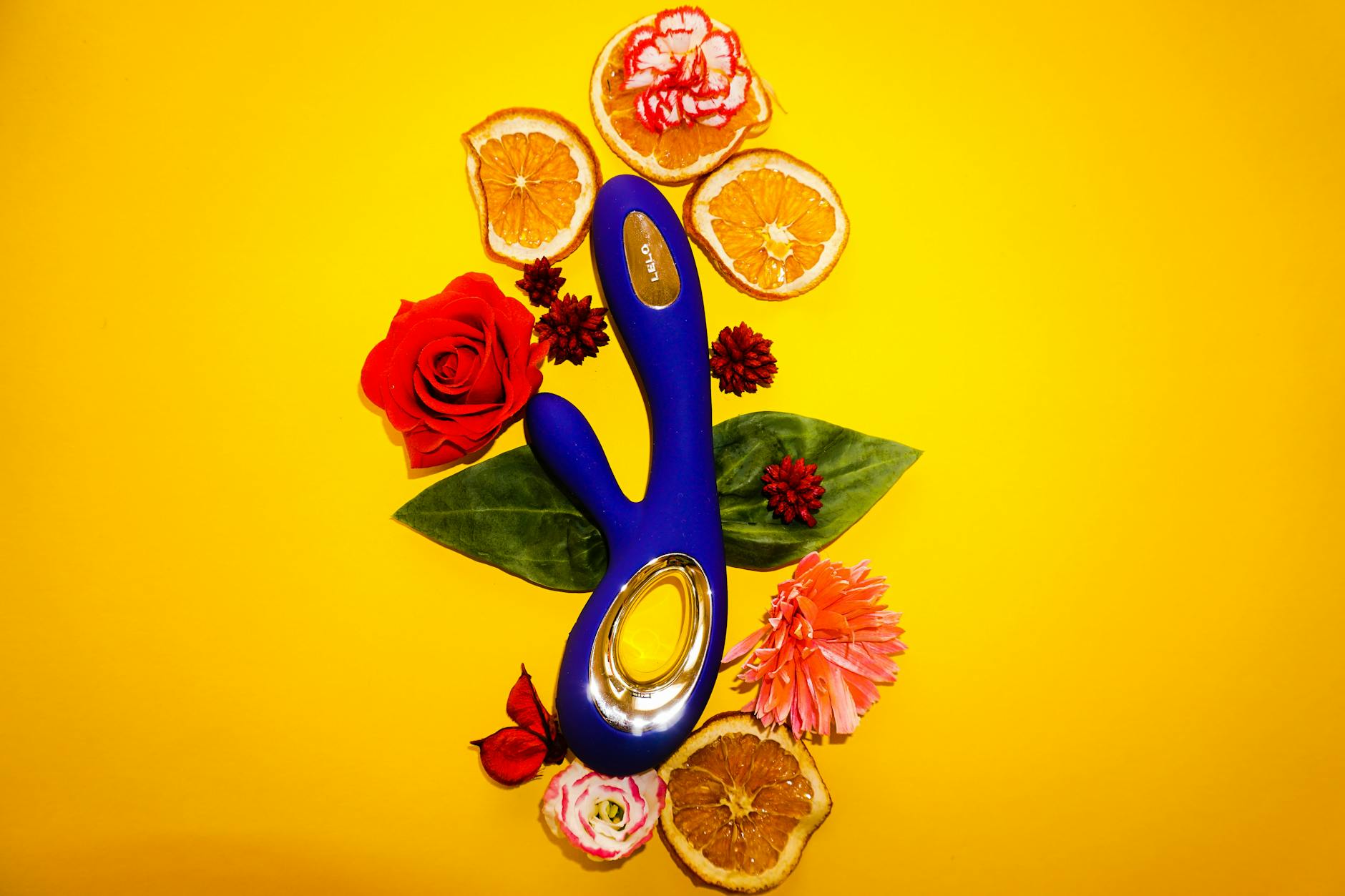
When penetrative sensation drops, clitoral stimulation doesn't. That's because the clitoris isn't involved in the intercourse barrier. Lemon vibrators and other clitoral toys work through suction or vibration on the vulva's exterior, completely independent of what's happening inside.
This is why I recommend clitoral toys to almost every couple navigating condom-related sensation loss. You're not "making up for" something. You're adding pleasure on a separate circuit entirely.
Here's the practical truth: during partnered sex with a condom, penetration alone often isn't enough to reach orgasm for people with vulvas. Adding a Lemon vibrator or similar clitoral toy isn't a workaround. It's the standard play.
How clitoral toys work with condoms (timing matters)
The mechanics are straightforward. You or your partner hold the Lemon against the clitoris during penetration. Because the toy isn't inside, the condom doesn't interfere with the vibration or suction. You get full sensation on the part of your body that responds fastest.
Timing shapes the experience more than you'd think. Some people prefer stimulation from the start of sex, building arousal alongside penetration. Others want it only when they're close to orgasm, using the toy to push over the edge. There's no right way. What matters is that you experiment and communicate.
One thing I hear from clients: the combination of condom-muffled internal sensation plus full external clitoral stimulation can actually feel more intense than unprotected sex. You're not competing between two sensations. You're layering pleasure. Many people describe it as cleaner, more focused, easier to control.
The conversation you need to have first
If you're using condoms with a partner, the elephant in the room is this: introducing a toy sometimes feels like criticism. "I need a vibrator to come" can land as "you're not enough." That's not what's happening, but the story your partner tells themselves matters.
The reality is simpler. A Lemon vibrator is a tool for sensation, like lube. It's not a replacement. It's an addition. But you have to actually say that.
Best-case conversation: "I want to add something to make sex feel better for both of us. It's not about what you're doing wrong. It's about what we can do together." Then pick one out together, or let them choose. Shared decision-making removes the sting.
Practical setup for better pleasure
Four things that make the difference when you're using lemon sexual toys with condoms:
Position matters. Positions where you have space and access make toy use easier. Spooning, girl-on-top variations, or face-to-face with the toy held externally all work better than positions where the toy gets in the way or the angle is cramped.
Lubrication on the toy. Water-based lube on the Lemon (never on the condom itself—it makes it slip) makes stimulation glide better and feel more comfortable. Especially during longer sessions when your natural lubrication might dry out.
Build arousal first. Don't introduce the toy cold. Spend time on foreplay, oral sex, or manual stimulation first. A clitoral vibrator works best when you're already partially aroused. The effectiveness multiplies.
Lower intensity to start. People often assume more power equals more pleasure. Usually the opposite is true. Start at setting 1 or 2, especially if you're new to toys. You can always turn it up. It's harder to dial back overstimulation mid-sex.
Why sensation loss isn't about the condom brand
This is worth repeating because I hear it constantly from people who've spent money trying every premium condom on the market. "Ultra-thin" condoms feel better than regular ones, sure. But the sensation loss isn't a quality problem you can shop away.
Condoms inherently reduce direct nerve contact. That's their design. A slightly thinner latex doesn't fundamentally change the physics of a barrier. You're still losing sensation, just perhaps 5 or 10 percent less.
The real solution isn't shopping for better condoms. It's accepting the trade-off and adding pleasure through a different route. Clitoral vibrators like those from Lemon Vibrators Store do exactly that. They bypass the barrier entirely.
When sensation loss is actually something else
Sometimes people blame condoms for broader sensation issues that aren't about the barrier itself. If you're experiencing numbness, difficulty orgasming, or low arousal across all situations (with or without condoms), that's a different conversation.
Medications, stress, hormonal changes, or relationship dynamics can all flatten sensation. A Lemon vibrator can help in many of those cases too, but the underlying issue might need separate attention. If sensation loss feels sudden or severe, check in with a doctor first.
But if you've always felt reduced pleasure with condoms specifically, and sensation returns without them? That's the barrier at work. A clitoral toy fixes it directly.
Making space for both pleasure and safety
Here's what I want to be clear about: using condoms is choosing safety. And choosing safety doesn't mean choosing less pleasure. They're not in competition.
Adding a lemon clitoral vibrator or other external toy is one of the most straightforward ways to restore full sensation while keeping yourself and your partner protected. You're not sacrificing pleasure for safety. You're having both.
The couples I work with who embrace this tend to report better sex overall. Not just because the sensation is better, but because they've had an honest conversation about what they want and made a shared decision about how to get it. That collaboration extends beyond just the toy.
FAQ
Can you use a Lemon vibrator with any condom?
Yes. Since the toy works externally on the clitoris, it doesn't interact with the condom itself. Water-based lubricant on the toy helps, but never on the condom (it increases slippage). Silicone lube can degrade latex condoms, so stick to water-based options.
Will adding a toy make penetration feel less important?
Not necessarily. The combination of internal penetration and external clitoral stimulation works together. Many people find that layering sensations makes penetration feel more intense, not less, because you're reaching orgasm through multiple channels at once.
Is using a vibrator with condoms common?
Very. For people with vulvas, clitoral stimulation during partnered sex is often necessary, not optional—especially with the sensation reduction condoms create. Adding a toy is standard practice, not a workaround.
How do I bring this up without it feeling like criticism?
Frame it as addition, not substitution. "I want to try adding something that could make this even better for both of us" feels different than "this isn't working." Shop together if you can. Shared choice removes defensiveness.
Do lemon sexual toys require special lube with condoms?
Water-based lubricant works fine with both toys and condoms. Silicone lube can damage latex condoms. Avoid oil-based lubes entirely. The best approach: apply lube to the toy, not the condom.
What if my partner is uncomfortable with toys?
That discomfort often comes from feeling replaced or inadequate. A direct, honest conversation helps: "This isn't about you. It's about what my body needs. I want to include you in this." Some partners warm up once they're part of the decision.
The bottom line
Condoms reduce sensation. That's real. But it doesn't mean reduced pleasure if you know how to work around it. Lemon vibrators and other clitoral toys deliver full sensation on the part of your body that matters most during partnered sex. Adding one isn't a compromise. It's a direct solution.
The couples and individuals who get the most from partnered sex with condoms aren't the ones pretending sensation loss doesn't exist. They're the ones who acknowledge it and build a better experience anyway. A clitoral vibrator is one of the simplest, most effective tools for doing exactly that.
If you're curious about getting started, I'd suggest starting with something straightforward like a Lemon clitoral vibrator, exploring at your own pace, and having the conversation with your partner before introducing it. Pleasure with condoms isn't a compromise. It's a choice. And you deserve both safety and sensation.