Let's talk about the medication plot twist
You finally found the right antidepressant. Your mood lifted. Your sleep stabilized. Your anxiety quieted down. And then your body went quiet too. Desire tanked. Arousal takes forever. Orgasms feel distant or numb. Welcome to one of the most common side effects nobody warns you about before you fill the prescription.
Here's the thing: stopping the medication isn't the answer. Neither is white-knuckling through a flat sexual response and pretending it doesn't matter. There's a third path, and it starts with understanding what's actually happening in your brain and body.
How medications affect arousal and orgasm
Most modern antidepressants work by adjusting serotonin levels. That sounds simple until you realize serotonin is everywhere. Yes, it regulates mood. But it also modulates dopamine, which drives desire. It affects blood flow to genital tissue. It influences the neural pathways that create arousal.
SSRIs (selective serotonin reuptake inhibitors) are the most commonly prescribed, and they're also the ones most likely to flatten sexual response. Some people notice a shift within days. Others don't feel it for weeks. The timing and intensity vary wildly depending on dosage, your body chemistry, what other medications you're taking, and whether you've eaten enough that day.
Blood pressure medications, antihistamines, birth control, and even some anti-anxiety meds can pile on the same effect. If you're on more than one, the cumulative dampening is real.
The weirdest part? Your body isn't broken. Your nerve endings still work. Your clitoris still has sensation. What's changed is the signal. Think of it like someone turned down the volume on arousal. The song is still playing. You just can't hear it.
Why lemon sexual toys work better here
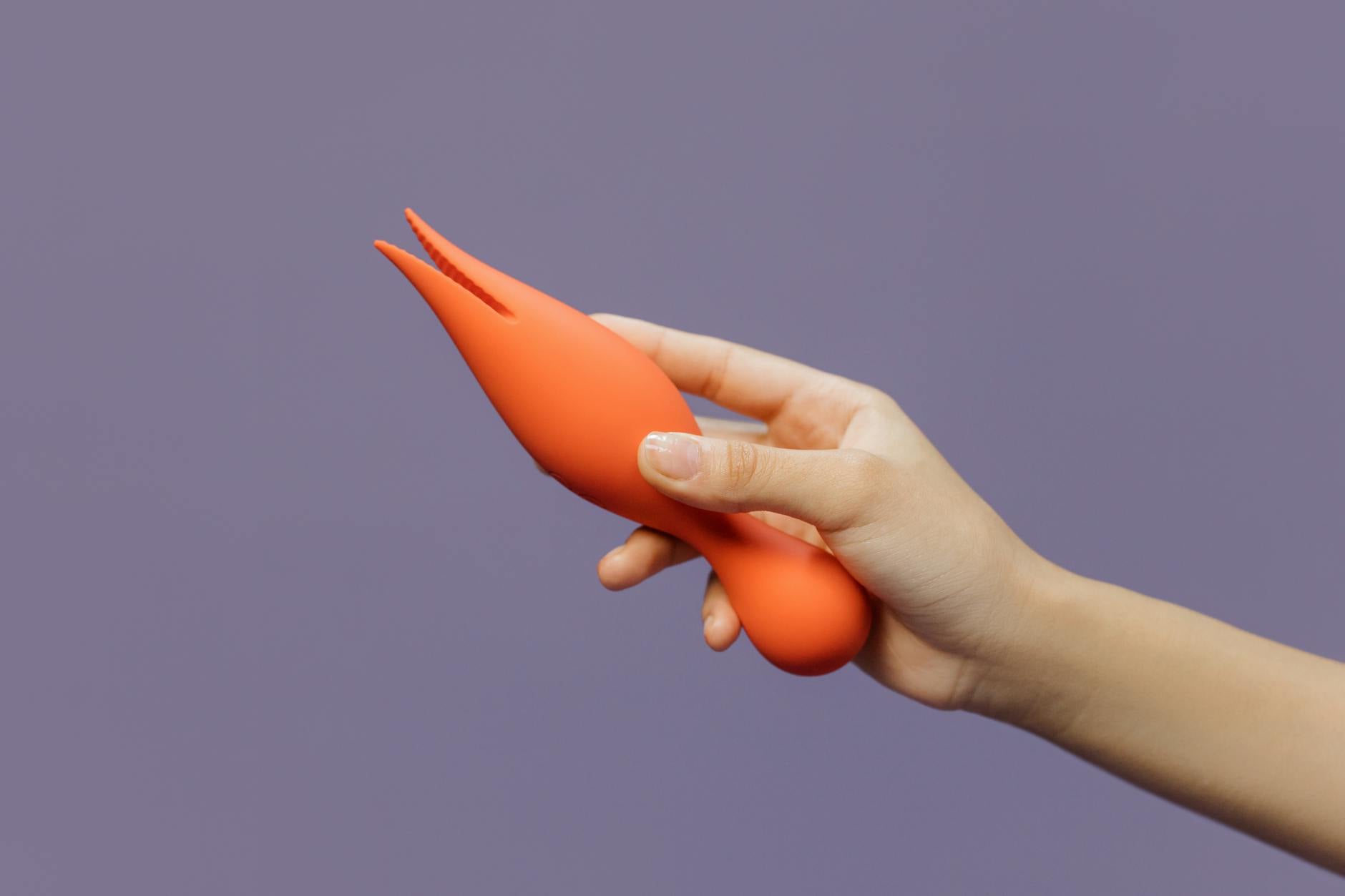
Lemon vibrators, especially suction-based designs like the Lem, bypass some of the arousal dampening by delivering a different kind of stimulation. Instead of relying on your body to generate a cascade of sensation, you're introducing external input that's more intense and consistent than what your nervous system is currently producing on its own.
This isn't about forcing an orgasm. It's about giving your nervous system a fighting chance. Suction stimulation works through a different neural pathway than vibration alone. It creates pressure changes that activate nerve clusters in a way that cuts through the numbness.
Here's what that looks like in practice: someone on medication might need 30 minutes of manual stimulation to feel anything. With a lemon clitoral vibrator offering concentrated suction, they might hit that same sensation in 8 minutes. Your medication is still dampening the signal. But you're turning up the volume.
The arousal-building strategy when medication slows you down
Medication-related numbness usually means arousal takes longer to build. That's not a bug. That's the reality you're working with, and there's a way to work with it.
Start with what works: foreplay that lands for you, whether that's reading, fantasy, touch, or something else entirely. Give yourself 15 to 20 minutes minimum. Don't rush this part. Your brain is working harder to generate arousal signals right now. Patience isn't optional.
Then bring in external stimulation. Start on the lowest pattern or setting. Your tissues are still sensitive. You're not numb everywhere. You're just not hearing the subtle signals. A gentle hum on pattern 1 or 2 on a lemon vibrator helps tune in to what you're feeling without overwhelming you.
When you feel a spark, stay there. Don't assume you need to crank it up. Medication-related pleasure often builds differently than it did before. It's less of a sharp climb and more of a gentle slope. Keep the external stimulus consistent. Let your body catch up.
When to talk to your doctor (and what to say)
If sexual side effects started within a few weeks of beginning a new medication, mention it at your next appointment. There's no prize for suffering through this. Your doctor has options.
Some possibilities: adjusting the dose, switching to a different class of antidepressant that's less likely to affect arousal (bupropion, for example, often doesn't), adding a second medication to counteract the sexual side effect, or timing your dose differently (some people take their medication in the evening instead of morning and notice a difference).
None of these tweaks are guaranteed. But they're worth the conversation. You're not being a bother. Sexual function is part of health. Full stop.
In the meantime, external tools like lemon clitoral vibrators aren't a workaround. They're legitimate help. They're as valid as using lube or asking your partner to touch you differently.
The partner conversation (if you have one)
If you're partnered, this affects them too, but not in the way they might think. The pressure to perform or feel a certain way can make the medication's dampening effect feel worse. Anxiety about pleasure often becomes part of the problem.
Tell them the truth: "My medication is affecting my arousal. This isn't about you or what we have. It's chemistry. Here's what helps." Then show them. Maybe you want to use a lemon vibrator together. Maybe you want them to touch you while you use it. Maybe you need solo time first and they come in later.
Partners who understand what's happening are less likely to take it personally. And you're less likely to fake pleasure or skip sex entirely, which is how resentment gets a foothold.
Timing and patience with medication adjustment
If your doctor adjusts your medication, don't expect instant arousal. Changes to your brain chemistry take 4 to 6 weeks to settle. During that window, lemon sexual toys give you something concrete to work with while your body recalibrates.
Some people do find that switching medications restores arousal completely. Others find that it helps, but they still benefit from external tools. Both are fine. Your pleasure isn't waiting for the perfect pharmaceutical solution. It's available right now, with the tools that work for your current body.
The goal isn't to get back to exactly how things were before medication. The goal is to feel good now, while managing whatever your medication is helping you manage. That's not settling. That's actually being smart about it.
When numbness might be something else
Here's the tricky part: medication isn't the only reason arousal and orgasm change. Depression itself kills desire. Anxiety about your health kills it too. Relationship stress, past trauma, body image, and literally dozens of other factors can create numbness that looks identical to a medication side effect.
If you've been on the same dose for 6 months and things were improving, then suddenly flatlined again, it might not be the pills. It might be that life happened. A conversation with a therapist who understands both mental health and sexuality can help you figure out what's actually going on. Sometimes it's both. Medication is affecting you and your relationship needs attention.
That's not a reason to stop using lemon vibrators. It's a reason to get support on multiple fronts.
People also ask
Can I use a lemon vibrator if I'm on antidepressants?
Completely. Using a lemon clitoral vibrator is safe alongside any medication. There's no interaction. You're using an external tool to help your nervous system access pleasure that the medication has dampened. Some people find they need vibrators temporarily until their body adjusts or their medication is tweaked. Others find they prefer them permanently. Both are normal.
How long does it take for medication to stop affecting sexual pleasure?
It depends. Some people adjust within weeks. Others take months. A few people find that the sexual side effects don't fully resolve, even long-term. That's when switching medications or adding a second drug becomes worth exploring. The timeline isn't predictable. What matters is that you don't assume numbness is permanent.
Is it normal to need toys to orgasm after starting new medication?
Yes. Medication-related arousal dampening is incredibly common, and reaching for a lemon vibrator is a normal, reasonable response. You're not broken. Your medication is doing its job on mood, and you're doing yours by finding tools that help with pleasure. That's functional adulting, not failure.
Will I always need a vibrator if I start one while on medication?
Not necessarily. Some people who use lemon vibrators while managing medication side effects find they don't need them once their body adjusts or their medication changes. Others discover they actually prefer using tools and keep going. Neither outcome is wrong. Your pleasure is yours to define.
What if my doctor doesn't take sexual side effects seriously?
Find a different doctor. Sexual function is part of health. A provider who dismisses it is giving you incomplete care. If you like everything else about your current doctor, try framing it as a quality-of-life issue. If they still don't listen, you deserve someone who does.
Can I fix medication side effects by using toys more often?
No. More stimulation won't override what medication is doing neurologically. But regular use of a lemon vibrator can help you stay connected to pleasure while your body is adjusting, and it can help train your nervous system to respond. Think of it less as a fix and more as a bridge. You're maintaining pleasure while other things (medication adjustments, therapy, whatever) work in the background.
The bottom line
Medication saved your life or made it livable. That's not negotiable. But your pleasure is also not negotiable. They can both exist. Lemon vibrators aren't a substitute for talking to your doctor. They're the thing you do right now, while you're working on the bigger picture.
Your body isn't punishing you. Medication is a trade-off, and one of those trade-offs happens to be arousal. Once you understand that, you can stop blaming yourself and start problem-solving. A lemon clitoral vibrator is part of that solution. So is communication with your provider. So is patience with your body while it adjusts.
You didn't lose your capacity for pleasure. You just need different tools to access it right now. And that's completely okay.