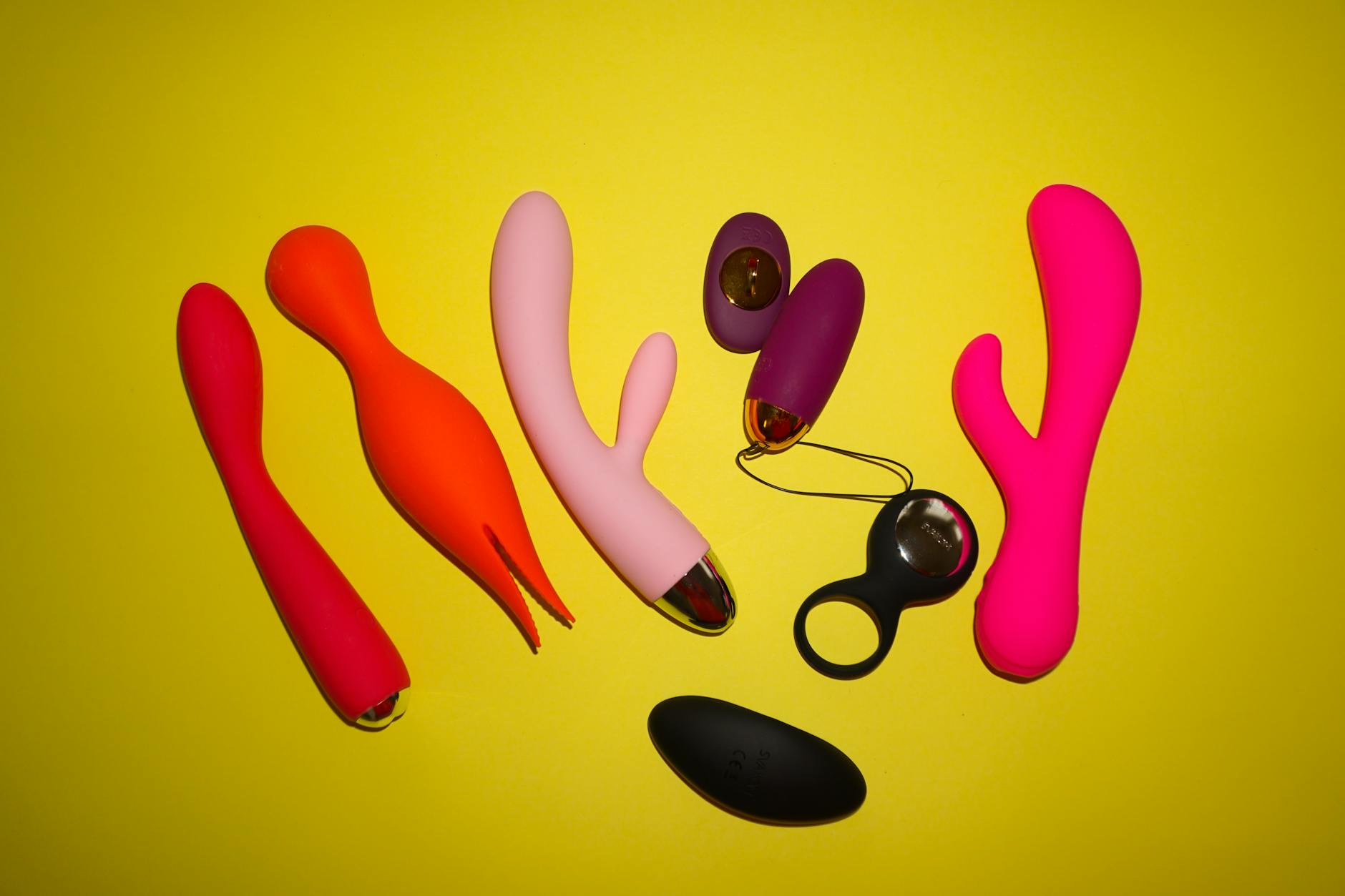
When your medication saves your mental health but steals your sex drive
Here's the brutal trade-off that nobody warns you about clearly enough: the antidepressant that stopped your panic attacks might have also stopped your ability to feel arousal. The birth control pill that gave you back control of your body can make orgasms feel like a mathematical impossibility. Blood pressure medication, blood thinners, hormone therapies, and even allergy meds do this. Your doctor probably mentioned it in passing, if at all. "Some people experience sexual side effects." Then they moved on to the next patient.
You're left wondering if your desire is ever coming back, or if this is just your life now.
The honest answer: it can come back. Not always by switching medications, not always through waiting it out, but sometimes through practical tools that work with your neurochemistry instead of fighting it. Lemon clitoral vibrators are one of those tools.
Why medications flatten arousal in the first place
Different medications mess with desire through different pathways, but the most common culprits work like this.
SSRIs (selective serotonin reuptake inhibitors) like sertraline, paroxetine, and fluoxetine increase available serotonin in your brain, which is what stops depression and anxiety. But serotonin also suppresses dopamine, and dopamine is what drives sexual motivation. It's a trade-off baked into the chemistry. Some people are barely affected. Others find desire drops by 40, 50, or 70 percent within weeks of starting.
Birth control pills suppress the hormonal fluctuations that trigger arousal. Testosterone dips. Vaginal lubrication can decrease. The pill works beautifully at preventing pregnancy, but your nervous system registers the flattened hormone curve as "less urgent, less sexy."
Beta-blockers and ACE inhibitors for blood pressure work by relaxing blood vessels and slowing your heart rate. Arousal requires rapid increases in both. When those systems are pharmacologically calmed, the pathway to excitement gets shorter and harder to trigger.
Antipsychotics, tricyclic antidepressants, and even some antihistamines compound the problem through multiple mechanisms at once. That's why the sexual side effects can be so severe.
The thing is: your brain is still capable of pleasure. The neural pathways are intact. Your clitoral nerves work fine. What's missing is the initial spark. And that's where lemon vibrators change the equation entirely.
How clitoral suction works when chemical arousal isn't showing up
Let's separate two different problems medication can create. First: lack of desire (you don't feel like having sex). Second: difficulty reaching arousal (you want to, but your body won't cooperate). Lemon vibrators, specifically their air-suction mechanism, are remarkably good at solving the second one.
Traditional vibrators rely on vibration alone. Your body has to build up to responsiveness. If your nervous system is chemically dampened by medication, that warm-up can take forever. Some people never get there.
Lemon suction vibrators work differently. They create gentle, consistent pressure and rhythmic suction directly on the clitoral complex. The sensation pattern bypasses some of the motivation-based activation and creates a more direct stimulus response. You're not waiting for desire to build; you're giving your body a physical trigger it can respond to almost immediately.
My clients on SSRIs and birth control report that lemon vibrators feel "more obvious." The sensation is harder to ignore. It registers faster. Some describe it as making pleasure feel real again when medication has made everything feel muffled.
The timing question: when to use them, and what to expect
If medication is suppressing your arousal, spontaneous desire probably isn't coming back tonight. So the frame shifts from "waiting for the mood to strike" to "scheduling intentional pleasure."
Set aside 20 to 30 minutes. Not because it'll take that long, but because removing time pressure changes everything. When you know you have nowhere to be, the mind quiets down. Anxiety about whether it'll "work" (which is already higher when medication is dampening things) gets a chance to settle.
Start with a water-based lubricant. Medication-related vaginal dryness is real and common. Lube makes the sensation vastly more comfortable and responsive.
Begin on the lowest intensity setting. Your body's response pathways are already slower. A gentler introduction gives your nervous system a chance to register pleasure before intensifying. Many people on SSRIs find they can't tolerate high-intensity stimulation at all; starting low means you're actually likely to reach orgasm instead of numbing out.
Give yourself five to ten minutes at each level before increasing. Patience matters here more than with people whose medication isn't involved. Your body is working harder to respond.
Most importantly: if nothing happens in 20 minutes, stop. Not because you've failed, but because forcing it adds performance anxiety on top of medication side effects, which only makes the next attempt harder. Try again in a few days. Some people need a week or two of regular, low-pressure use before their body's responsiveness fully returns.
When you need to talk to your doctor
If medication is killing your sex drive, you have options. The conversation with your prescriber needs to happen, but it requires being specific.
"I've noticed sexual side effects" is too vague. Your doctor needs to know: Did your desire drop, or is it just harder to get aroused? Can you reach orgasm but it feels flat, or can't you reach it at all? Did it start immediately or gradually? Has anything else changed in your life around the same time (stress, relationship, sleep, other meds)?
With that information, your doctor might suggest:
Waiting it out. Some sexual side effects fade after six to twelve weeks as your body acclimates. Lemon vibrators can bridge that gap.
Dose adjustment. Not always possible, but sometimes lowering the dose preserves benefit while improving sexual function.
Timing the dose. Taking your SSRI at night instead of morning, or vice versa, can sometimes reduce the sexual impact.
Adding a medication. Some doctors prescribe bupropion (Wellbutrin) alongside SSRIs because bupropion increases dopamine and can offset sexual side effects. Same with buspirone or sildenafil in some cases.
Switching medications entirely. Bupropion, mirtazapine, or certain other antidepressants carry lower sexual side effect risks, though they have trade-offs elsewhere.
None of these conversations need to be uncomfortable. Your doctor has had them hundreds of times. What they need is clear information about what's happening. Bring it up at your next appointment.
The emotional piece you can't skip
When medication dampens arousal, sex stops feeling like pleasure and starts feeling like a chore you can't accomplish. That kills desire psychologically on top of whatever the chemistry is doing.
If you have a partner, the conversation about this matters deeply. "My body isn't responding the way I want" is different from "I'm not attracted to you anymore." Most partners don't know that distinction instinctively. You have to say it.
Using a lemon vibrator together, or telling your partner you're using one solo, shifts the narrative from "something is broken" to "we're trying something different." It depressurizes the situation. Pleasure becomes something you're actively seeking again, not something you're failing at.
For solo pleasure, the shift is about permission. Your medication isn't your fault. Your body's response isn't a reflection of your worth. A lemon vibrator is a tool, not a replacement. Using it is an act of self-care, not a consolation prize.
People also ask
Do all antidepressants kill your sex drive?
Not equally. SSRIs have the highest rates of sexual side effects, around 40-60 percent depending on the drug. Bupropion has the lowest. Tricyclic antidepressants fall somewhere in the middle. Your genetics and baseline neurotransmitter levels matter too. Some people feel nothing; others feel it intensely. If your doctor mentions alternatives, it's worth exploring.
Can you use a lemon vibrator if you're on blood thinners?
Yes, absolutely. Blood thinners don't affect the clitoral nerves or your ability to respond to stimulation. They just mean you should avoid anything that causes bruising inside the vagina. Lemon vibrators work on external tissue and are extremely safe. If you're concerned about any specific interaction, mention it to your prescriber, but it's a non-issue medically.
How long before a lemon vibrator helps if I'm on an SSRI?
Some people feel the difference immediately. Others need two to four weeks of regular use before pleasure starts returning. This usually means giving your body a chance to recognize that arousal is still possible. Once that happens, the pleasure response often accelerates. Be patient with yourself.
Is it normal to need higher intensity on medication?
No, actually. Most people on SSRIs need lower intensity because their nervous system is already dampened. Higher intensity can lead to numbing. Start low, go slow, and let your body tell you what it needs. Patience is the play here.
Will my desire come back if I switch medications?
Often, yes. Sometimes completely. Sometimes partially. And sometimes a new medication has its own sexual side effects. The reality is that finding the right antidepressant for you is often a process of trial and adjustment. In the meantime, lemon vibrators give you a way to maintain physical pleasure without adding guilt or shame to an already complicated situation.
Should I tell my partner I'm using a lemon vibrator because of medication side effects?
That depends on your relationship. In most cases, transparency builds trust. You're not hiding a secret; you're solving a practical problem together. Framing it as "I want to make sure we can still enjoy pleasure together" opens a conversation instead of creating one later through discovery. Partners who care about you will care that you feel good.
The bottom line
Medication side effects on arousal are real, frustrating, and completely addressable. Your doctor prescribed the medication because it helps your mental health or manages a chronic condition. That matters. Reclaiming sexual pleasure doesn't mean abandoning that medication. It means finding tools and strategies that work with your body as it is now.
Lemon clitoral vibrators are one of those tools. They work by giving your nervous system a direct stimulus it can respond to, bypassing some of the neurochemical barriers medication creates. They're practical, effective, and they're there for you whenever you're ready.
If you're struggling with this, you're not alone. And your pleasure is still possible. It just might look different than it did before.
If you'd like to explore more about how to approach this conversation with your doctor or partner, reach out. We're here to help.