You've been away from sex for a while. That's more common than you think.
Between relationship breaks, health issues, life chaos, grief, or just years of "not right now," plenty of people find themselves looking at sex like a skill they used to have. Here's the thing: your body hasn't forgotten. Your brain might be anxious. Your muscles might need reminding. But the neural pathways are still there.
Returning to sexual intimacy after a long break carries real weight. You might feel rusty, vulnerable, or worried you won't "remember how." Those feelings are completely valid. But they're also telling a story that isn't the whole truth.
What happens to your body when you've been away
If you haven't been sexually active for months or years, your body doesn't reset to zero. Think of it more like muscle memory. You learned to ride a bike once. You don't fully unlearn it. Sexual response works the same way.
What does change: arousal might take longer to build. Your genital tissue stays healthy, but blood flow to the area decreases without regular stimulation. Lubrication might be less automatic. Your pelvic floor muscles might feel tighter or less responsive. These aren't permanent shifts. They're reversible with gentle, consistent practice.
The psychological piece matters just as much. Anxiety actually suppresses arousal. If you're worried you won't respond, your nervous system picks up on that signal and makes arousal harder. This isn't failure. This is your body doing what it's designed to do. When you're in threat mode, sex gets deprioritized. That's normal biology.
The anxiety piece is real, and it's not something to push through
Most people trying to restart sexual intimacy after a break carry what I call "performance pressure." You're watching yourself for signs you still work. You're monitoring whether you feel desire the way you used to. You're wondering if your partner notices you're "slower" to respond.
All of that monitoring pulls you out of the actual experience. It's like trying to enjoy a meal while someone asks you to grade each bite. Your brain can't do both at the same time.
Here's what I tell my clients: the first few times back don't need to be about climax. They need to be about remembering what sensation feels like. That's it. Not success. Not proving anything. Just sensation.
Why going slow actually works better than you'd expect
When you return to sex without pressure, your nervous system relaxes. Your parasympathetic nervous system (the one responsible for arousal) can actually show up. Extended foreplay, longer warm-up time, and tools that let you control the pace and intensity work particularly well during a restart period.
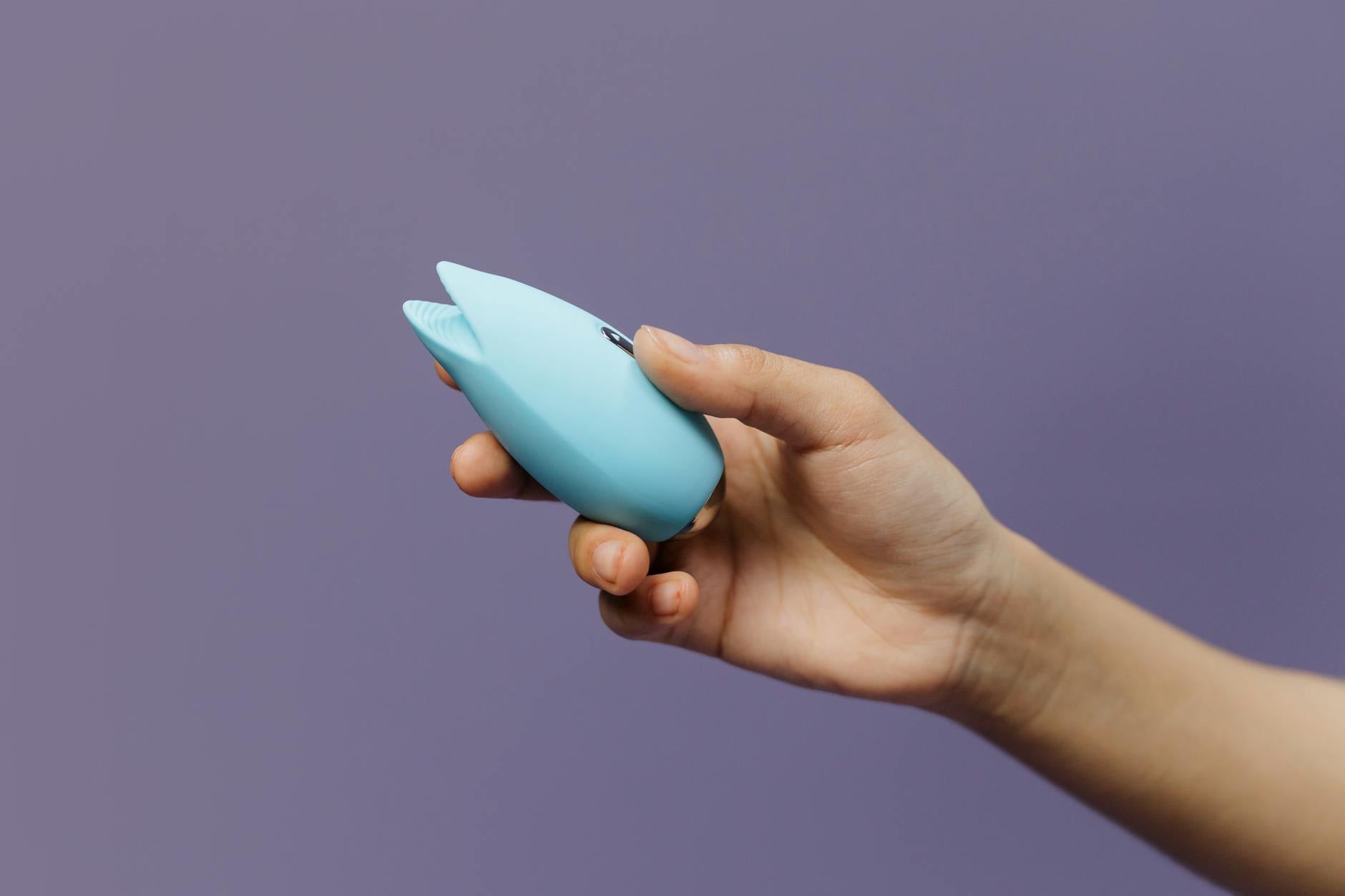
Lemon clitoral vibrators like the Lem are especially useful here because they work differently than traditional vibration. Suction-based stimulation lets you ease into sensation gradually without the risk of overstimulation. You're in complete control of intensity. You can start at the lowest setting and go at your own pace. That control is everything when you're rebuilding confidence.
Many people find that after a long break, they discover new preferences. The things that worked before might still work. Or you might find that you respond better to different types of stimulation now. That's not regression. That's evolution.
Rebuilding with a partner is different than rebuilding alone
If you're restarting with a partner, communication matters more than orgasms. Tell them what you're feeling. "I'm a bit nervous" or "I'm not sure what I need yet" is infinitely more useful than performing enthusiasm you don't feel.
Many couples find that the restart period actually deepens connection because it forces honesty. You can't fake your way through it. You have to actually talk about what feels good, what doesn't, what you're scared of. That vulnerability builds real intimacy.
A partner who's patient during your restart is showing you something important about how they care. Rushing you, pressuring you to "get back to normal," or acting hurt that you need time to rebuild is a red flag worth paying attention to.
If you're restarting alone, there's honestly no timeline pressure at all. You get to explore at whatever pace feels right, without anyone watching or judging.
The specific steps I recommend
Week one through two: touch yourself non-sexually. Hand on your chest, your legs, your arms. Notice what different pressures feel like. This sounds basic, but your nervous system has been offline. It needs a slow wake-up call.
Week three and beyond: introduce gentle stimulation with no goal attached. This is where tools like lemon vibrators make sense. They give you control, varied sensations, and the ability to stop whenever you want. Start at the lowest intensity. Your body will tell you when it's ready for more.
Talk to your partner (if you have one) about what you're doing. Not as performance, but as information. "I'm relearning what feels good to me." That honesty is magnetic.
Set a "no pressure" boundary with yourself. If arousal doesn't happen, that's data, not failure. If it happens and then stops, that's fine too. You're building trust with your body again, not training it.
When progress feels slow, remember this
Your body isn't lazy. It's being cautious. That caution protected you during whatever break you needed. Now it just needs consistent, gentle reassurance that pleasure is safe again.
Sensitivity sometimes returns faster than desire. You might feel physical sensation before you feel genuine lust. That's okay. Lust often follows sensation, not the other way around.
If it's been a truly long time, healing might take weeks or months. That's not unusual. Some of my clients who took year-long breaks found that returning to regular sexual activity took about three months before it stopped feeling "new" and started feeling normal again.
Compare yourself to nobody but your own body, one week at a time.
FAQ: What people actually ask about restarting
How long does it usually take to feel normal again after a sexual break?
There's no standard timeline. Some people feel physically responsive within a week or two. Psychological comfort takes longer. Most people I work with feel like they've genuinely "returned" around the six to twelve week mark, especially if they're practicing regularly (two to three times weekly). Consistency matters more than duration.
Will my body respond the same way it did before?
Maybe, maybe not. Age, hormones, relationship dynamics, and life stress all shift how your body responds. That's not loss. That's information. Many people discover they actually prefer how their body works now. You're different. Your pleasure can be too.
Is it normal to feel emotional during sex after a long break?
Completely normal. You're reconnecting with vulnerability and pleasure at the same time. That combination can surface grief, relief, fear, joy, or all of the above in one session. Let those feelings move through. Crying during or after sex doesn't mean something's wrong.
Should I tell my partner I'm nervous about restarting?
Absolutely. "I've been away from this for a while and I want to take it slow" is the best possible opener. Partners who respond well to that statement are showing you they're trustworthy. Partners who try to rush you or make you feel broken for needing time are showing you something else.
Can I use a vibrator if I've never used one before?
Yes. Some people find that tools like the Lem actually make returning to sexual intimacy easier because they take pressure off you to "perform." You're not responsible for creating arousal. The tool does some of that work. You just get to focus on sensation. That's a gift when you're rebuilding confidence.
What if I restart and realize I don't actually want sex with my partner?
That's real information. Sometimes a sexual break reveals that desire was missing for reasons beyond the break itself. Relationship issues, emotional distance, or genuine orientation shifts can all surface once you start exploring again. That's not failure. That's clarity. Work with a therapist if you need help sorting it out.
You don't need permission, but here it is anyway
Your body is not broken. Your desire might be sleeping, but it's not dead. The restart looks less like flipping a switch and more like slowly turning up the lights in a room you've been living in with the curtains closed.
Take your time. Talk about what you need. Use the tools that help you feel in control. And remember that coming back to sexual intimacy after a break is not weakness. It's exactly what healing looks like.