
Here's what nobody tells you about postpartum pleasure
After childbirth, your body feels like it belongs to someone else. For weeks or months, you've been touched by medical staff, by your baby, by partners checking in on you. By the time you're cleared for sex, the idea of more touching can feel like an obligation rather than an invitation. That's not depression. That's not low libido. That's your nervous system saying "I need to remember what pleasure feels like on my own terms."
Lemon clitoral vibrators are quietly exceptional for this moment. Not because they're magic, but because they give you back control in a way that's hard to explain until you feel it.
What actually changes in your body after birth
The postpartum clitoris isn't damaged, but it changes. Swelling from labor and delivery can persist for weeks. Pelvic floor muscles are either over-tight (from pushing) or under-engaged (from trauma or epidural). Lubrication often doesn't return fully until breastfeeding stops or hormone levels stabilize. Scar tissue from tearing or episiotomy can change sensation in unexpected ways.
Most importantly: the neural pathways for pleasure are still there. They're just temporarily rerouted.
Suction-based stimulation like the Lemon vibrator works differently than traditional vibration. Instead of stimulating through friction, suction engages the clitoral nerve endings without requiring direct contact or high-intensity pressure. For postpartum bodies, this matters. Your tissues are sensitive. Your nervous system is touched out. Gentle suction can rebuild sensation without the intensity that feels overwhelming right now.
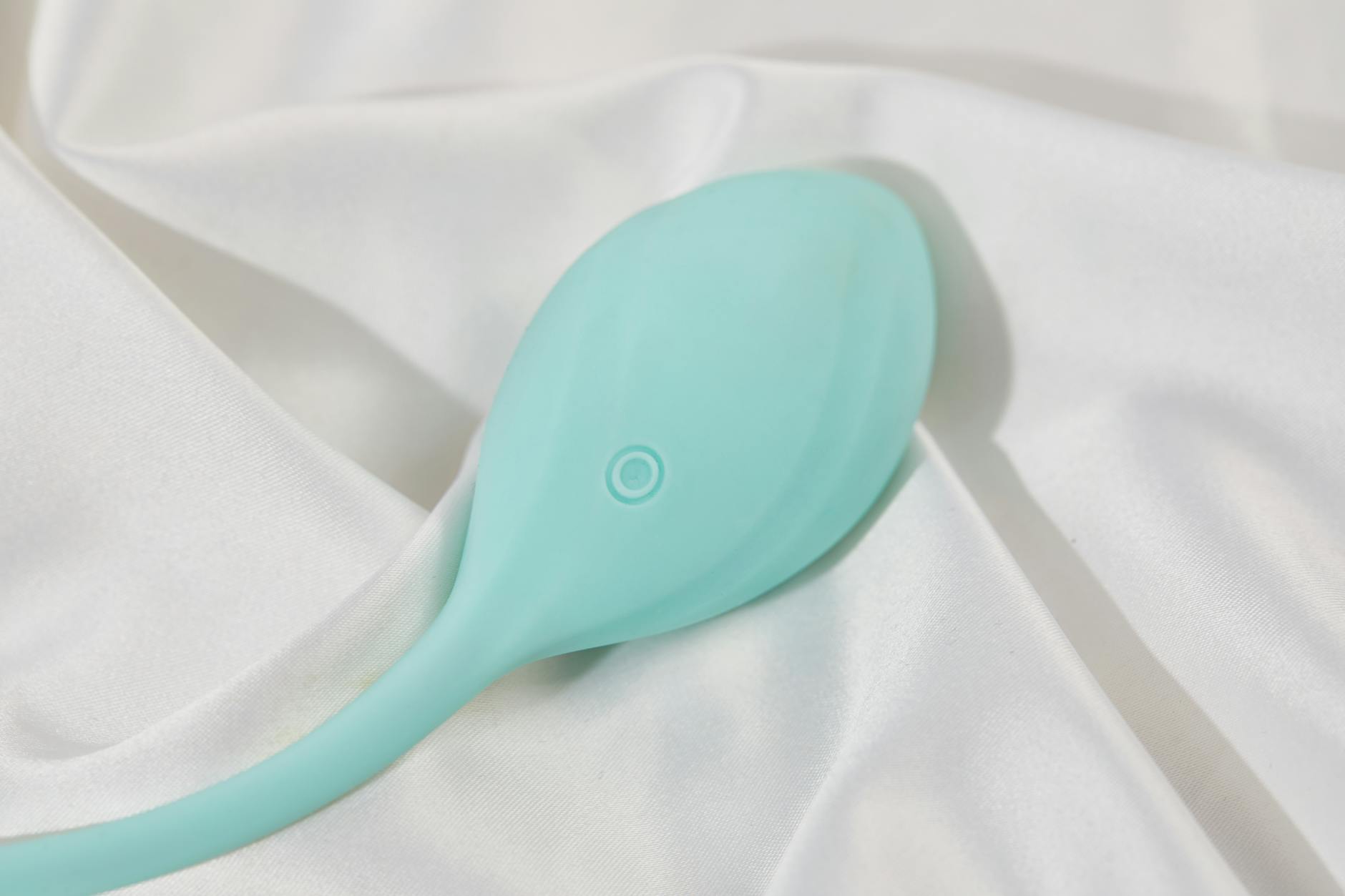
Photo by IFONNX Toys on Pexels
When to actually start: the timeline matters
Most obstetricians clear you for sex at six weeks postpartum. That's a medical clearance, not an invitation to feel ready. Give yourself permission to ignore that timeline entirely.
If you had a vaginal delivery with no tearing, you can explore solo pleasure around four to six weeks, listening to your body's cues. Start with external touch only. No penetration, no pressure, just gentle exploration to see what still feels good.
If you had tearing, an episiotomy, or a caesarean section, give yourself eight to twelve weeks before introducing any vibration. Use this time to gently massage scar tissue (with permission from your care provider), practice breathing exercises, and reconnect with sensation through non-sexual touch.
Breastfeeding complicates the timeline further. Nursing suppresses estrogen, which means lower lubrication and thinner tissue. If you're exclusively breastfeeding and feeling completely dry, this isn't the moment to push intensity. It's the moment to use plenty of lubricant and start at pattern 1 on the Lemon vibrator.
How to actually use a lemon vibrator postpartum: the mechanics
Start alone. Not because partners are bad, but because you need to rebuild the connection between your brain and your body without the pressure of performance or partner satisfaction in the room. Solo exploration teaches your nervous system that pleasure can happen without obligation.
Set aside time when you won't be interrupted. Not twenty minutes of snatched time while the baby naps. Actually carve out time. Thirty to forty-five minutes. Your nervous system needs runway.
Use plenty of water-based lubricant. More than you think you need. Postpartum dryness isn't something to work through. It's something to work with. A generous layer of lube makes everything feel better and means you're not creating friction on already-sensitive tissue.
Start on pattern 1 or 2. The Lemon vibrator has nine patterns. You don't need them all right now. Stay in the low-intensity range for the first two to three weeks. Let your body remember what stimulation feels like before you layer in complexity.
Place the Lemon gently against your clitoris without applying pressure. Let the suction do the work. You're not trying to chase an orgasm. You're trying to feel sensation. That's the whole goal at this stage.
If numbness happens (rare with suction-based devices, but possible), stop. Take a five-minute break. Use that time to notice what feels good in your body outside of sexual pleasure. A foot massage. Water on your skin. Then try again at a lower intensity.
The emotional piece is as real as the physical one
Postpartum intimacy struggles often live in two places at once: your body's actual physical changes and your brain's understandable resistance to being touched right now. The Lemon vibrator handles the physical part beautifully. But your mind matters more.
Many people find that self-pleasure postpartum feels less like "I want an orgasm" and more like "I want to feel like myself again." That's completely different. You're not chasing an outcome. You're chasing a sense of autonomy. A reminder that your body can still feel good without being productive (feeding a baby is productive; pleasure just for you is revolutionary).
If you have a partner, this is crucial: using a lemon clitoral vibrator solo is not a rejection of your partner. It's preparation for being present with them later. You can't give pleasure you haven't reclaimed for yourself yet. Explain this clearly. Most partners understand immediately.
Pelvic floor considerations
Your pelvic floor deserves attention. If you had significant tearing or a long labor, consider working with a pelvic floor physical therapist before adding vibration. Not because vibration is bad, but because your PT can tell you exactly what tissue is ready for what stimulation.
In the meantime, practice pelvic floor breathing. Breathe in and relax your pelvic floor completely. Exhale and gently engage it. Do this for two minutes daily. It teaches your nervous system that the pelvic floor doesn't have to be clenched all the time, which is often the pattern after birth.
When you do start using the Lemon vibrator, your pelvic floor will probably want to clench. That's a reflex. Your job is to notice it happening and then consciously relax. This single skill, practiced consistently, improves pleasure faster than anything else.
Building back to partnered pleasure
Once you've had a few weeks of solo exploration and you feel something shifting (even a small shift), you and your partner can start reintroducing touch. But not sex yet. Just touch.
This might mean using the Lemon vibrator while your partner is in the room, learning what patterns feel good together. It might mean using it during foreplay but not penetration. It might mean your partner learning your new body's responses without trying to recreate the pleasure you experienced before birth.
The goal here is not to rush back to "normal" sex. The goal is to build a new normal that actually works for your postpartum body and your postpartum emotions. That takes time. It takes patience. And it's worth every bit of that investment.

Photo by Madison Inouye on Pexels
Managing the guilt that shows up
You might feel guilty taking time for solo pleasure when there's a new baby. That guilt is real and also completely unfounded. Your capacity to be present with your child is directly tied to how resourced you feel in your own body. When you've reconnected with your own pleasure, you're less touched out. You're more patient. You're actually a better parent.
This isn't selfish. This is maintenance. Just like sleep and eating, pleasure helps your nervous system regulate. Your baby needs you regulated more than they need you to feel guilty about needing time alone.
When to reach out for help
If pain persists beyond twelve weeks postpartum, see a pelvic floor physical therapist or gynecologist. Pelvic pain after birth is common but not normal, and it's almost always treatable.
If your interest in pleasure hasn't returned by six months postpartum, that's worth discussing with a therapist or doctor. Postpartum depression and postpartum anxiety both kill libido. So does thyroid dysfunction. Getting evaluated isn't admitting failure. It's taking your pleasure seriously.
Most importantly: rebuilding postpartum pleasure isn't linear. You'll have days when the Lemon vibrator feels amazing and days when you can't tolerate being touched. Both days are okay. Your job is to keep showing up for yourself, with patience, without pressure, until pleasure starts feeling like something you're choosing rather than something you're recovering from.
People also ask
How soon after vaginal delivery can I use a lemon vibrator?
Wait at least four to six weeks for external-only stimulation with a suction-based device like a lemon clitoral vibrator. If you had tearing or an episiotomy, give yourself eight to twelve weeks. "Cleared for sex" by your doctor is a medical green light, not a body readiness signal. Listen to your body first.
Is it safe to use a lemon vibrator while breastfeeding?
Yes, absolutely. Using a vibrator while breastfeeding doesn't affect milk supply or safety. The main consideration is lubrication. Breastfeeding suppresses estrogen, so you might experience postpartum dryness more severely. Use plenty of water-based lube. The Lemon vibrator's gentle suction is actually easier on dry tissue than traditional vibration.
Can a lemon vibrator help with postpartum pelvic floor tension?
Indirectly, yes. The Lemon vibrator doesn't strengthen the pelvic floor, but using it encourages relaxation and neural reconnection. That said, if you have significant pelvic floor tension after birth, see a pelvic floor physical therapist first. They'll teach you how to release chronic tension before adding vibration.
What if penetration still hurts after six months postpartum?
That's worth investigating with a gynecologist or pelvic floor specialist. Postpartum dyspareunia (pain with penetration) can stem from scar tissue, muscle tension, hormonal changes, or nerve sensitivity. It's treatable, especially with physical therapy. A lemon clitoral vibrator can help rebuild arousal and sensitivity while you're addressing the underlying cause.
Should I tell my partner I'm using a lemon vibrator postpartum?
Yes, if you have a partner. Transparency prevents resentment and often opens conversations about desire, pleasure, and what both of you actually need right now. Many partners feel relieved to know you're taking your pleasure seriously. It takes pressure off them to "fix" your postpartum body. Frame it as rebuilding, not rejection.
How long does it usually take to feel pleasure again after childbirth?
There's no standard timeline. Some people feel interest in pleasure by three months. Others take nine months to a year. Vaginal delivery, caesarean birth, tearing, episiotomy, breastfeeding status, sleep deprivation, mental health, and relationship stress all factor in. Use a lemon clitoral vibrator consistently for four to six weeks and notice what shifts. Progress, not perfection, is the marker.
Reclaiming postpartum pleasure is an act of self-respect. Your body carried a whole human. It's earned the right to feel good again. A lemon vibrator is just a tool that helps you remember you deserve that feeling.