Let's name what's happening
Disconnection from your body isn't a personal failure. It's a protection mechanism that made sense at the time. Whether it came from grief, workplace stress, relationship conflict, medical trauma, or just years of moving too fast, your nervous system learned to dial down sensation. That kept you functioning. But it also locked you out of pleasure.
The good news: your body hasn't forgotten how to feel. It's just waiting for permission and the right conditions to come back online.
What disconnection actually looks like
Body disconnection shows up differently depending on the person. Some people describe it as numbness, like pleasure is muffled behind glass. Others feel present mentally but absent physically, observing their own sensations rather than inhabiting them. Some have trouble locating sensation at all, even with direct touch.
In my practice, I've worked with people who felt disconnected for months or years. They'd try self-pleasure and feel almost nothing. They'd have sex with partners and feel like they were watching from above. A few described it as "dead down there," even though medically everything was fine.
That gap between the mind and body is real, and it's reversible. You don't need years of therapy to start rebuilding the connection. You need a strategy that meets your nervous system where it actually is right now.
Why lemon clitoral vibrators work for reconnection
There are three reasons lemon sexual toys and lemon vibrators, specifically, create an efficient pathway back to sensation.
First: consistent stimulation without performance pressure. When you're disconnected, your nervous system is hypervigilant. It's scanning for threats, even during intimate moments. A partner's touch, even when welcomed, can feel like something you need to respond to. A lemon vibrator removes that social obligation. You can focus entirely on the sensation itself without worrying about reciprocating or being "good enough."
Second: the suction mechanism bypasses shallow awareness. Traditional vibration stimulates the surface of the skin. Suction technology, which defines the Lemon clitoral vibrator design, pulls on the tissue and stimulates the deeper nerve clusters around the clitoris. This creates a more insistent, attention-grabbing sensation that's harder to dissociate from. Your mind has to follow the stimulus.
Third: patterned, rhythmic input calms the nervous system. Repetition signals safety to your brain. The consistent, predictable pulse of a lemon vibrator tells your nervous system it's okay to relax. That's the opposite of the erratic, attention-demanding stimulation that made you numb in the first place.
The reconnection protocol: How to actually use this
Don't jump straight to orgasm mode. That's a trap. If you're disconnected, chasing climax will feel performative and hollow. Here's the sequence that works:
Week one: sensation mapping. Use your Lemon clitoral vibrator at the lowest setting (pattern 1 or 2) for just 5-10 minutes, three times. Don't aim for anything. Track what you notice: Does the sensation spread? Does it fade? Where do you feel it most? Does your mind wander, and if so, how quickly? This is just data gathering. Your only job is to notice.
Week two: gradient building. Same duration, same frequency, but now move through patterns 1, 2, and 3 in one session. Spend 2-3 minutes on each. Notice the difference between them. Your nervous system is learning that varied input is still safe. This teaches your body to track multiple sensations at once.
Week three: arousal extension. Now add 10 minutes of non-sexual touch before using the lemon vibrator. Massage your own arms, shoulders, belly. Apply lotion. Use a warm shower. Your goal is to wake up general body awareness before adding clitoral focus. Then use the vibrator at whatever level felt most grounding last week, for 10-15 minutes.
Week four and beyond. Your nervous system is now anchored in the practice. You can start experimenting with what feels good without a script. Some people find they need the warm-up ritual forever. Others build arousal over time and no longer need it. Neither is wrong.
What to expect (and what's not failure)
Most people reconnecting with their bodies experience some version of this arc: intense sensation one day, followed by numbness the next. Then a week where it feels easier. Then a setback. That's not a sign you're doing it wrong. That's your nervous system cautiously resetting its default.
Your mind might wander. You might feel bored. You might get frustrated that you're not reaching orgasm. All of that is normal, and none of it means the practice isn't working. The reconnection happens below the level of intention.
One caution: if you're using antidepressants, stimulants, or are in a deeply traumatized state, you may need more runway. Extended timelines don't mean failure. They mean your system is being appropriately cautious. Work with a therapist in tandem if you can.
The partner question
If you're in a relationship, your partner might ask to be involved in this process. That's fine, but it's not required and sometimes it's worse. When you're rebuilding sensation, the weight of someone else's desire or expectations can snap you right back into disconnection.
A better approach: keep your reconnection practice solo until you feel genuinely present in your own body. That usually takes 6-8 weeks. Then, invite your partner to the rebuilt version. You're not withholding from them. You're actually preparing to have a more authentic, present connection when you rejoin.
If your partner struggles with this boundary, that's a different conversation and possibly a sign that the disconnection isn't only physical. You might benefit from couples work alongside individual reconnection.
The role of other lemon adult toys
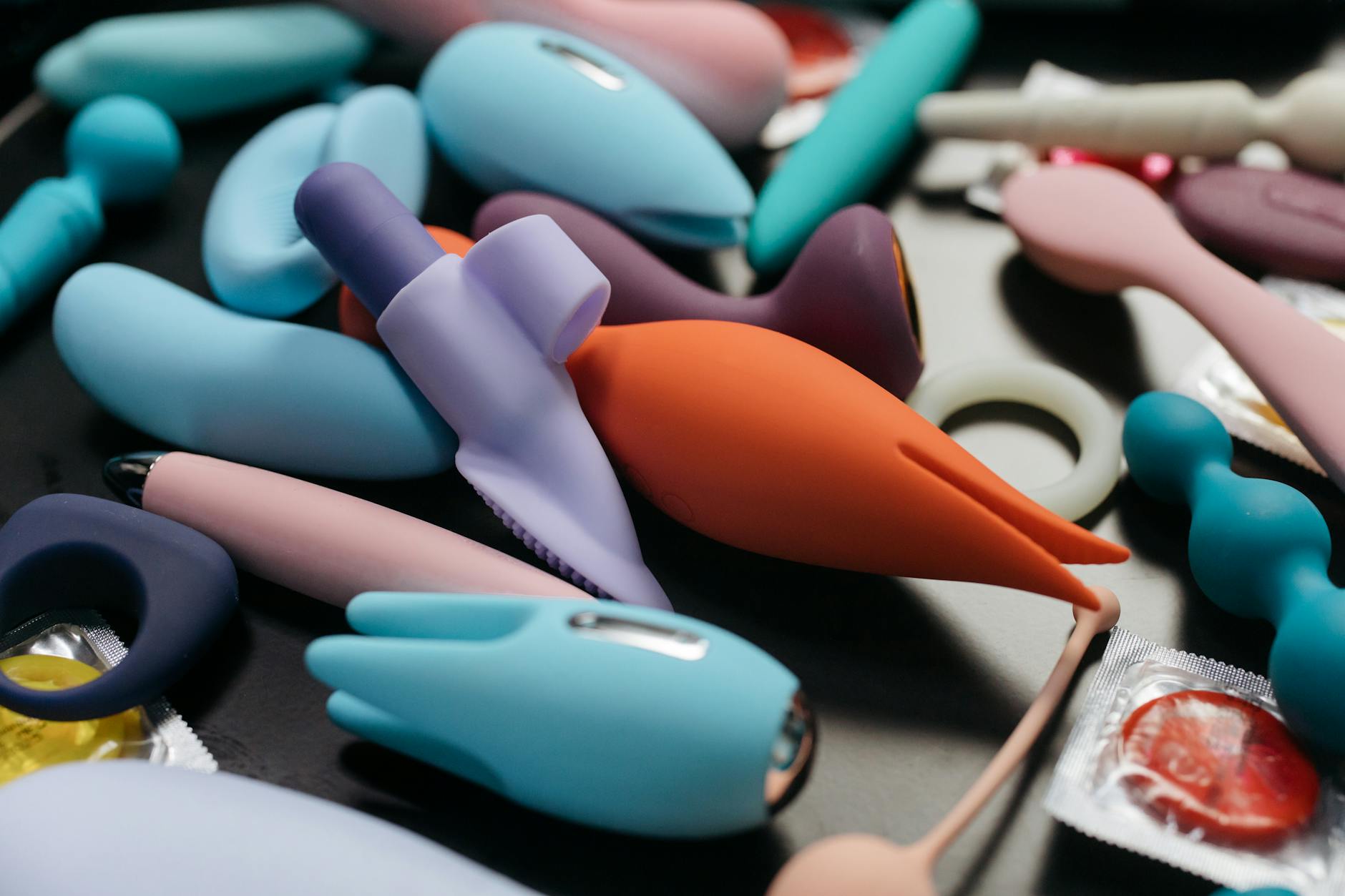
Lemon vibrators work best for reconnection, but they're not the only tool. Some people find that a warmer texture (like softer silicone or a blend) helps them feel less clinical. Some prefer the intensity of a lemon sucker like the Lem vibrator for its focused precision. Others layer tools: gentle external touch with one hand, the vibrator with the other.
This is where experimentation becomes useful instead of frustrating. Once your nervous system is anchored in the reconnection practice, variations keep it engaged. Try different patterns, different times of day, different settings in your home. Novelty within safety is the sweet spot.
When to loop in a professional
If after 8 weeks of consistent practice you feel no shift in sensation, check in with a pelvic floor physical therapist. Sometimes disconnection has a muscular or neurological component that needs hands-on work. If emotional overwhelm surfaces during reconnection (grief, trauma flashbacks), a trauma-informed therapist can help you process it alongside the physical practice.
This isn't weakness or failure. It's good information about what your system actually needs.
FAQ
Can disconnection from my body be permanent?
No. Disconnection is adaptive, not permanent damage. Your nervous system learned to protect you by dialing down sensation. It can learn to dial it back up. The timeline varies (weeks to months), and individual factors matter, but I have not seen a case where consistent, grounded practice didn't eventually restore some level of sensation. Be patient with the timeline.
Does using a lemon vibrator make the disconnection worse if I'm very numb right now?
Possibly at first. Intense stimulation on a numbed nervous system can feel jarring or even distressing. That's why starting at the lowest pattern is critical. You're not trying to shock yourself back to life. You're inviting your system back with gentleness. If the lowest setting still feels too intense, use it for just 2-3 minutes or explore manual touch (no tools) for another few weeks before reintroducing the clitoral vibrator.
What if I feel guilty using a lemon clitoral vibrator while I'm disconnected, like I'm not "really" enjoying it?
That guilt often comes from associating pleasure with peak sensation or emotional presence. Reconnection pleasure is quieter. It's noticing a tingle you didn't expect. It's your mind landing in your body for three seconds instead of drifting. It's not the full-body rush of a typical orgasm, and that's fine. You're not training yourself to tolerate fake pleasure. You're extending invitations to your body to come back online. Most invitations get ignored at first. A few land. That's progress.
Can antidepressants make reconnection harder?
Some do, and some don't. It depends on the medication. SSRIs can dampen sensation, which adds friction to reconnection work. Talk to your prescriber about timing or whether an adjustment might help. Don't stop your medication, but do advocate for honest conversation about sexual side effects. Many alternatives exist that have less impact on arousal.
How long until I feel pleasure again?
Some people feel shifts within 2-3 weeks. Others take 3-4 months. The length has less to do with the severity of disconnection and more to do with how much consistency you can actually practice. If you can do three sessions a week, expect faster results than if you do one session a month. Consistency matters more than intensity.
Should I expect orgasms to come back the same way they did before?
Not necessarily, and that's okay. Reconnection sometimes changes the shape of your arousal and orgasm. Some people report more localized sensation. Others find their orgasms take longer to build but feel more textured. A few discover they prefer a different kind of stimulation altogether now. This isn't loss. It's integration. Your body is learning what feels good right now, not trying to recreate something from years ago.
The bridge back is yours to walk
Disconnection from your body isn't something that happens to you. It's something your system did to protect you. Reconnection isn't about forcing sensation or performing arousal. It's about creating safe, grounded conditions where your nervous system can begin to trust that it's okay to feel again.
Lemon vibrators, and specifically lemon clitoral vibrators, create those conditions efficiently. But the real work is your patience and consistency. If you want support beyond this practice, reach out. Connect with a relationship coach who specializes in embodiment and body reconnection.
Your body hasn't abandoned you. It's waiting for you to come back.