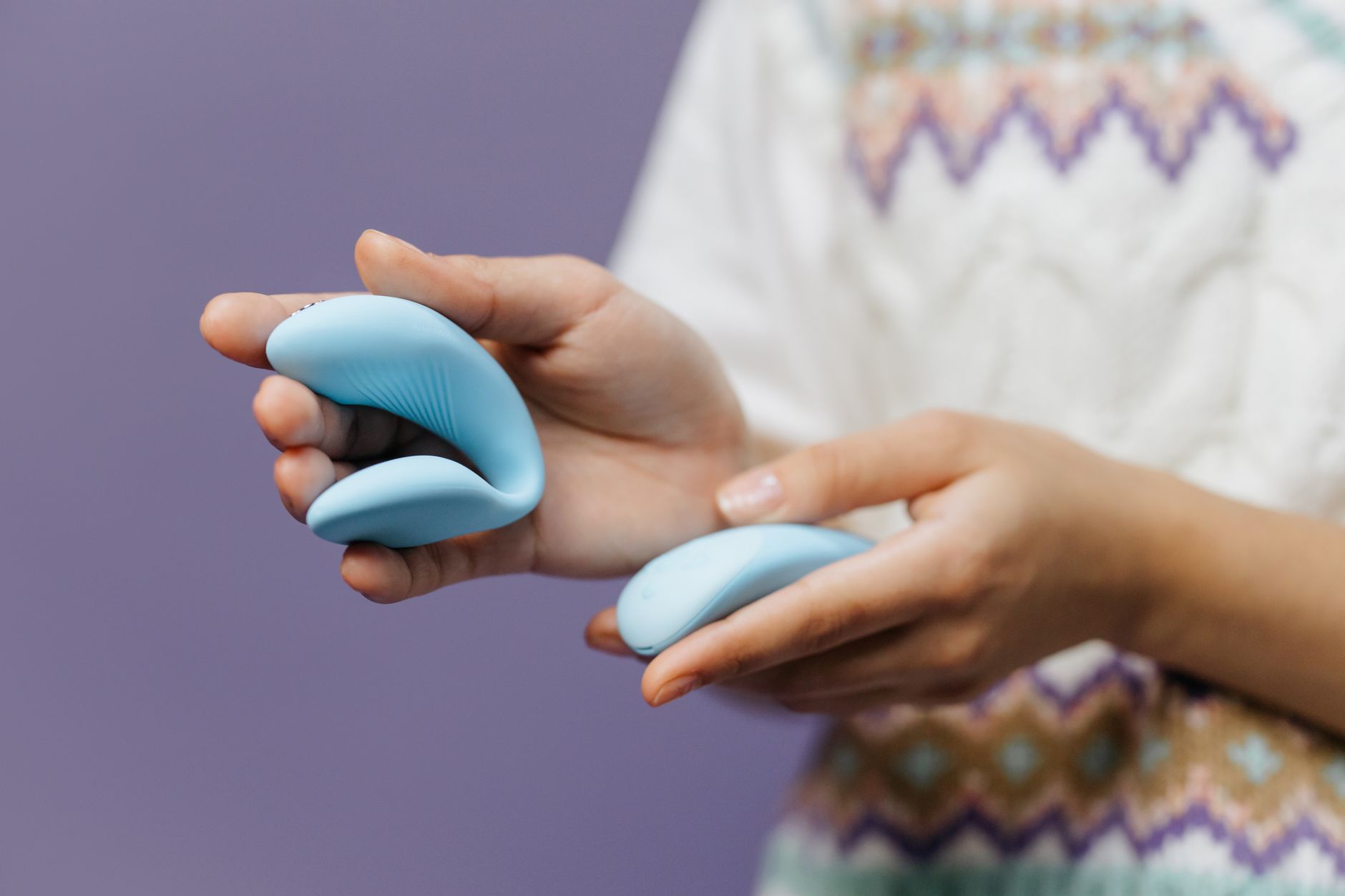
Let's be real about post-surgical pleasure
Surgery interrupts everything. Your body, your timeline, your sense of what's possible right now. One of the things nobody tells you is that pleasure doesn't have to be on hold for the entire healing process. It depends on the surgery, the timeline, and what your doctor cleared you for. But here's what I know from working with couples navigating recovery: reconnecting with your own pleasure, safely and thoughtfully, can actually accelerate emotional healing.
The trick is knowing when it's safe, how to do it without compromising your recovery, and how tools like lemon clitoral vibrators fit into that picture.
Understanding your post-operative window
Different surgeries have different timelines. Gynecological procedures, abdominal work, and pelvic surgeries carry different restrictions. Some surgeries clear you for external stimulation in weeks. Others require months of complete rest. The first rule is simple: ask your surgeon directly about sexual activity and external genital stimulation. Not "when can I have sex" but specifically "when is clitoral stimulation safe." Those answers are different.
Most gynecologists will give you a timeline. Write it down. That's your baseline.
What usually clears first is external stimulation without penetration. What takes longer is anything involving internal work, impact, or intense pressure on surgical sites. If you had abdominal surgery, you might need to avoid pressure across your abdomen or stomach area. If your surgery involved your pelvic floor or internal anatomy, external-only pleasure tools like lemon vibrators can feel like permission to play again without crossing surgical boundaries.
Why external clitoral stimulation often clears first
The clitoris is external. It has its own nerve pathway. If your surgery didn't touch that area directly, many surgeons will clear external clitoral play weeks before penetration or anything involving the vaginal canal. Lemon vibrators work entirely on external tissue, which means they're often the first tool you can use safely during recovery.
This matters because it gives you something. After surgery, your body feels like it's not yours. Reconnecting with sensation, pleasure, and your own erotic response is part of reclaiming it.
The physical recovery checklist
Before you use any vibrator, post-surgery, check these boxes:
- You've been cleared by your surgeon for external genital stimulation.
- You're off prescription pain medication (vibration plus opioids is not a good mix for sensation awareness).
- Your surgical site is healed enough that you're not at risk of reopening anything.
- You have clearance to bathe or shower, meaning your incisions are sealed.
- You're not actively bleeding or oozing from your surgical site.
- You feel emotionally ready, not pressured.
If any of these aren't true yet, wait. Pleasure isn't going anywhere.
How to ease back into sensation with a lemon vibrator
Start slow, in a way that probably sounds slower than you'd think. Your nervous system is still recovering. Your sensitivity may be heightened or dampened depending on what happened and how you're healing. Here's a practical approach:
First session: Just hold the vibrator. Don't turn it on. Let your body remember what it feels like to be touched there. Thirty seconds. That's it. This sounds minimal, but it's grounding.
Second session: Turn it on at the lowest setting. Place it near but not directly on your clitoris. Thigh, labia, surrounding tissue. You're testing your own response, not chasing an orgasm. Five to ten minutes max.
Third and beyond: Increase time or intensity only if it feels good. There's no timeline. Your body sets the pace.
Lemon vibrators are designed with suction technology, which creates a gentle pulling sensation rather than direct vibration. For post-surgical bodies, this can feel less jarring than traditional vibrators. The sensation is more diffuse, which many people find easier to tolerate early in recovery.
Managing discomfort without giving up
Sometimes during recovery, things feel tender, numb, or weirdly intense. This is normal. Your nerve endings are reorganizing. Your body is learning how to respond again. If sensation feels uncomfortable, you have options:
Start with even lower intensity. Most clitoral vibrators have multiple settings. You don't need to use the device at full power. Lemon vibrators designed for this purpose often start at very gentle suction levels specifically because bodies healing from surgery need options.
Change the location. If direct clitoral contact feels too much, apply the vibration to surrounding tissue. The broader labia, the mons pubis, the inner thighs. You're not going for orgasm here. You're exploring what feels good right now.
Take breaks. Pleasure after surgery doesn't look like pleasure before surgery. You might have five minutes of comfort and then need to stop. That's not failure. That's your body talking.
If pain happens, not just discomfort but actual pain, stop immediately. Pain is information. It means something isn't ready yet.
The emotional piece that matters more than technique
Here's what I see most often in my practice: people rush physically but stall emotionally. Your body might be cleared for pleasure, but your mind might still be in protection mode. You might feel anxious about your healing, scared of damaging something, or disconnected from your own desire because you've been in "patient mode" for weeks.
That's real. And it doesn't resolve just because a doctor said you're cleared.
Before you use a vibrator post-surgery, check in with yourself about why. Are you doing this because you genuinely feel desire, or because you think you should feel desire by now? Are you exploring your own recovery, or trying to reassure a partner? Those are different things, and they lead to different experiences.
Reconnecting with pleasure after surgery is often less about the tool and more about permission. Permission to feel something that isn't pain. Permission to experience your body as a source of sensation and joy again, not just as something that needed fixing.
If you're healing from gynecological surgery specifically
Gynecological procedures, whether hysterectomy, fibroid removal, or repair work, require extra care. Your pelvic floor is involved. Your hormones might be shifting. The tissue you're working with might feel completely different than it did before.
In this case, external clitoral play with gentle tools can be easier to manage than penetration. Lemon clitoral vibrators give you direct feedback about what your body can handle right now. If suction feels too intense, you can back off. If the stimulation helps you reconnect with sensation, you can continue. You have control in a way that post-surgical healing can feel like you don't.
If your surgery involved hormonal changes, you might also notice that lubrication, sensitivity, and arousal look different. That's not permanent. Your body is recalibrating. A tool designed for clitoral pleasure that doesn't require internal wetness can be especially useful here.
What partners should know
If you're healing from surgery and have a partner, the conversation about pleasure doesn't mean the conversation about penetration. Those are separate timelines. External play might be cleared while penetration is still off-limits. Some partners find this confusing or feel excluded.
Here's what helps: frame it as part of your recovery, not as a substitute for partnered sex. You're reconnecting with your own sensation. That usually makes partnered pleasure better when you do get there. Partners who can support that process without making it about them tend to end up closer, not more distant.
When to check back in with your doctor
If you start using a vibrator post-surgery and something feels wrong, doesn't improve, or actively hurts, that's a check-in moment. Discomfort that gradually improves is normal. Persistent pain, increased bleeding, or sensation that feels compromised is not. Your surgical team needs to know.
You're not bothering them. They need that information to make sure your recovery is on track.
Moving forward, gently
Post-surgical pleasure isn't about rushing back to what you had before. It's about discovering what feels good in your body right now. That might be different. It might take longer. The tools you use, like lemon vibrators, are just permission structures. Your body sets the actual pace.
Start where you are. Move slowly. Notice what feels good. The rest unfolds from there.
FAQ: Common questions about pleasure after surgery
Can I use a vibrator immediately after surgery?
No. You need to wait for your surgical site to heal and get specific clearance from your surgeon. This usually means at least two to four weeks, depending on the procedure. Never guess on this timeline.
What if my clitoris feels numb after surgery?
Numbness is common post-operatively and often temporary as nerve endings regrow and reorganize. It can take weeks or even months to fully resolve. In the meantime, gentle external stimulation with a lemon clitoral vibrator can help reconnect your nervous system without causing harm. If numbness persists beyond six months, mention it to your doctor.
Is it safe to have an orgasm during recovery?
Once your surgeon clears external genital stimulation, orgasm is generally safe, but listen to your body. Some people find that orgasms early in recovery feel fine. Others find they create heaviness, pressure, or discomfort in the healing area. Go slowly and stop if you feel pain.
Do I need a special type of vibrator for post-surgical use?
You need something gentle and controllable, with adjustable intensity. Lemon vibrators designed with suction technology and multiple settings are popular for post-surgical play because they create sensation without harsh vibration and let you dial the intensity way down. Start at the lowest setting and adjust up only if it feels good.
What if my partner wants to be involved?
That's fine, but keep the focus on your healing and comfort. If external play feels good and you want your partner involved, they can learn the same slow approach. No pressure, no performance expectations. If partnered touch feels too much, solo exploration with a tool gives you control.
How long before I can go back to my normal pleasure routine?
Depends on the surgery. Ask your surgeon for a timeline. Most gynecological procedures clear for full activity (penetration included) around six to eight weeks, though some take longer. Don't rush it based on a partner's timeline or your own impatience. Your body's timeline is the right one.
If you're navigating recovery and want to explore pleasure safely, start with understanding your surgical clearances and your own emotional readiness. Tools like lemon clitoral vibrators can support that exploration once you're physically ready. If you have questions about your specific situation, your surgical team is your best resource. And if the emotional side of post-surgical recovery feels heavy, that's worth talking through with a therapist or coach. You're not just healing your body. You're rebuilding your relationship with pleasure. That takes time.