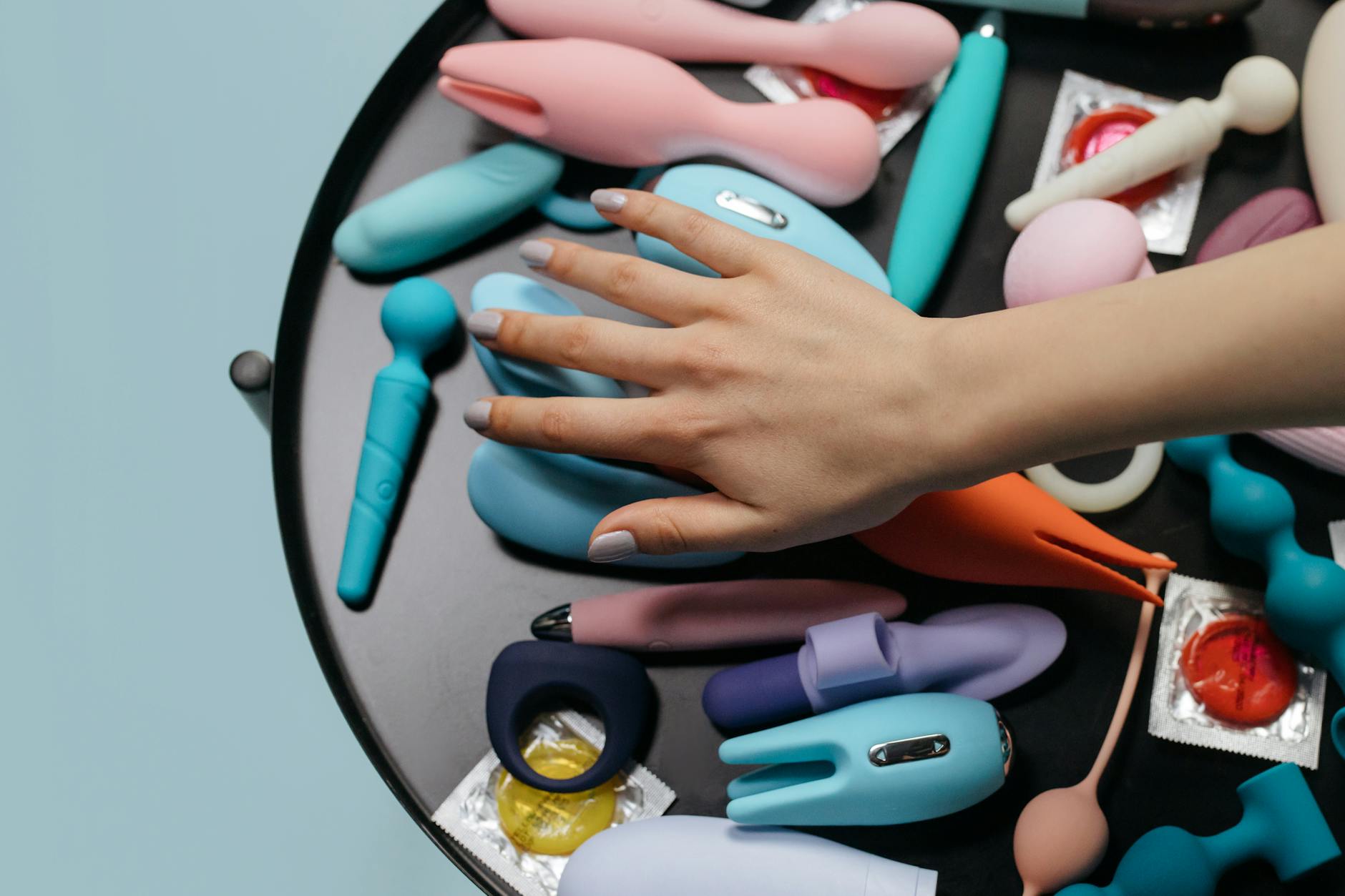
How to Use Lemon Vibrators When You Want Stronger Orgasms After Hormonal Shifts
Let's be real. Hormones shape your orgasms more than almost anything else, and when they shift, your pleasure does too. But here's what nobody tells you: that shift doesn't always mean things get worse. Sometimes it means they get better if you know how to work with what's happening.
I'm talking about menopause, postpartum recovery, stopping birth control, or stepping off hormonal medication. Each one rewires how your body experiences sensation and climax. The thing is, most people interpret this as loss. I see it differently. It's a recalibration. And with the right tool, like a lemon clitoral vibrator, you can dial into sensations that feel sharper, deeper, and more satisfying than before.
What actually happens to orgasms when hormones shift
Think of your hormones as the volume knob on your nervous system. Estrogen, testosterone, progesterone, and cortisol all influence blood flow to the clitoris, nerve sensitivity, and how fast your brain responds to stimulation. When these levels drop or stabilize differently, the dial moves.
You might notice that orgasms take longer to build. That's not a bug. That's your body requiring more intentional stimulation to reach the threshold. You might also notice they feel different in quality. Shallower, or in some cases, wildly more intense. Both are normal. Both are workable.
The clitoris itself doesn't age or lose capacity. It has eight thousand nerve endings whether you're 25 or 55. What changes is the pathway to firing all of them at once. Lemon vibrators, with their suction-and-pulse design, bypass a lot of the friction-based stimulation that becomes less effective after hormonal shifts. They work directly with nerve-ending activation, which means they meet your body where it actually is right now.
Why suction-based stimulation works better after hormone changes
When estrogen drops, tissue becomes thinner and more delicate. Direct friction can feel uncomfortable or numbing. Suction doesn't rely on friction. Instead, it creates a gentle seal and a rhythmic pulse that stimulates without grinding. This matters a lot.
A lemon sexual toy uses air-pulse technology to gently draw and release blood into the clitoris. That flooding sensation is what fires the nerve endings. It's less about mechanical force and more about strategic pressure cycling. After hormonal shifts, this approach often triggers orgasms that feel more localized, more powerful, and sometimes longer than what friction-based toys deliver.
I've worked with clients who swear they couldn't orgasm anymore after stopping hormonal birth control or entering menopause. Two weeks with a lemon vibrator? They're discovering orgasms feel stronger than they ever did before. That's not coincidence. That's physiology meeting the right tool.
The settings that work best when your body responds differently
Most lemon clitoral vibrators have multiple intensity levels and pulse patterns. Here's where people go wrong: they start at the highest setting and wonder why nothing happens. After hormonal shifts, you need the opposite strategy.
Start at pattern 1 or 2. Stay there for two to five minutes. Let your body acclimate to the rhythm. If you're used to direct stimulation, suction can feel weird at first. That's fine. Your nervous system is learning a new language. After a couple of sessions, it clicks.
Once you're comfortable with the gentler patterns, experiment with settings 3 through 5. Many people find that they can actually sustain orgasms longer on mid-range settings than they ever could on high. The theory is that extreme intensity can plateau quickly. Moderate, consistent stimulation often builds to something deeper.
The pulse patterns matter too. Some are steady rhythms. Others speed up and slow down. If you're chasing strength and depth, try patterns that accelerate slightly. Your body tends to sync its own response with external rhythm. A gradually intensifying pattern can help you climb higher.
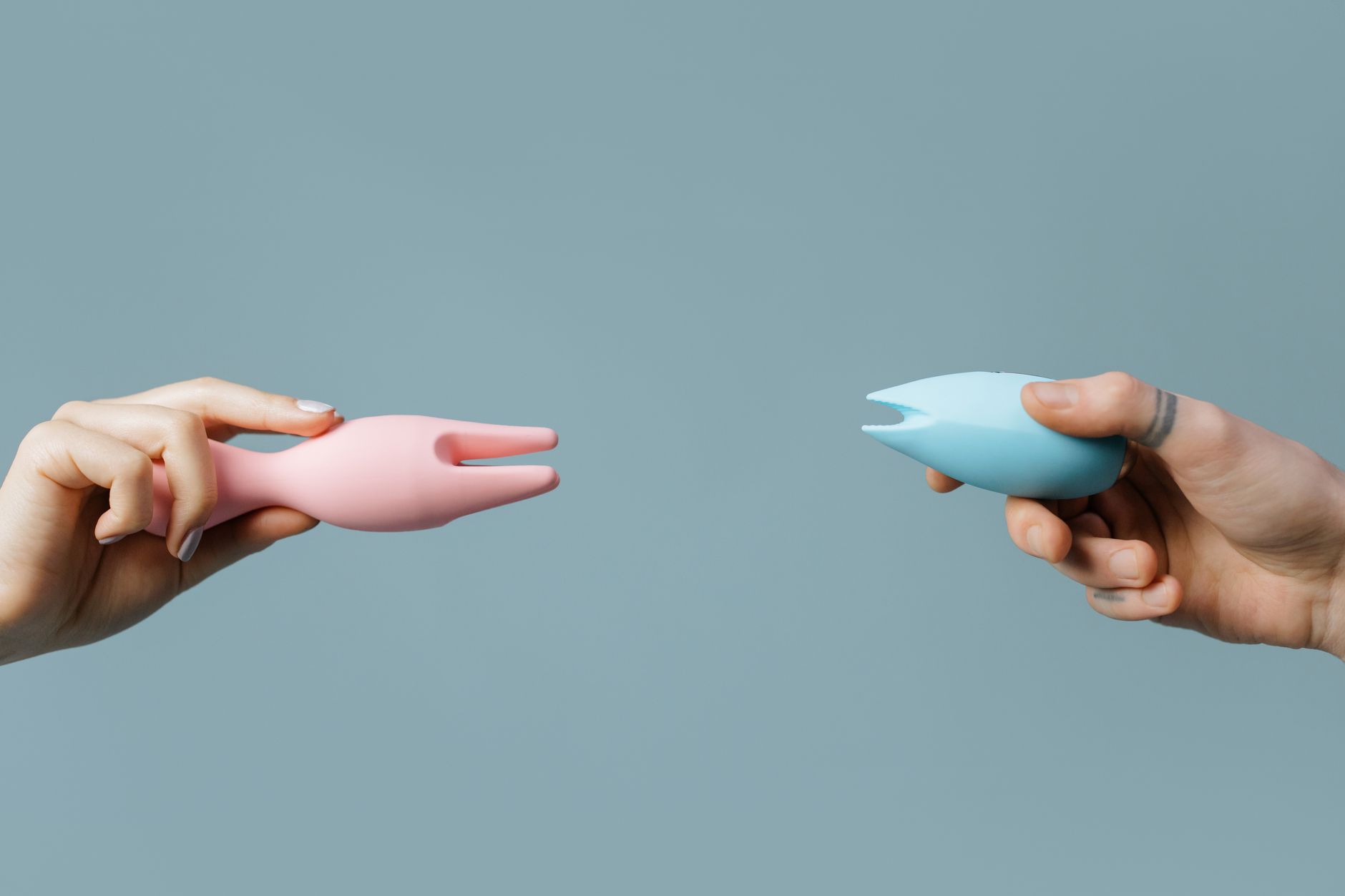
Photo by cottonbro studio on Pexels
How much time you actually need to build to climax
Here's a number that surprises most people: after hormonal shifts, the average time from initial stimulation to orgasm often increases from 5 to 10 minutes to 12 to 18 minutes. That's not dysfunction. That's your baseline changing.
The mistake is rushing. If you start using a lemon vibrator expecting the same timeline as before, you'll assume it's not working. It probably is working. Your nervous system just needs more runway.
Build in at least fifteen minutes for solo exploration. Twenty is better. Get comfortable. Don't force anything. Some of the most intense orgasms happen when you're relaxed enough to let your body surprise you. Pressure and clock-watching are literally the enemies of climax after hormonal changes.
If you have a partner, let them know this too. One of the biggest relationship friction points I see is when a partner interprets a longer build time as disinterest or dysfunction. It's neither. It's biology. Talking about it removes shame and opens space for better intimacy.
The warm-up ritual that actually makes a difference
You probably already know that arousal matters. But after hormonal shifts, it matters more. Your body might not respond the same way to the stimuli that used to work. Mental setup becomes crucial.
Fifteen minutes before you're planning to use your lemon vibrator, do something intentional. Read erotica. Look at images that excite you. Touch yourself nonsexually, just to remember what your body feels like. Have a conversation with your partner about what you want. Move your body. All of this activates the neural pathways that lead to climax.
This isn't woo. It's neuroscience. Your brain releases dopamine and activates your parasympathetic nervous system when you're genuinely aroused. That blood flow directly affects clitoral engorgement and nerve sensitivity. Without real arousal, the lemon vibrator is just a toy. With arousal, it's a gateway.
When to use a lemon sucker in your cycle or seasonal rhythm
If you still menstruate, your hormones are still cycling. That cycle influences how responsive you are on any given day. If you don't menstruate anymore, external factors still matter. Stress, sleep, season, and your relationship status all affect your sexual response.
The most intense orgasms often happen mid-cycle when estrogen peaks, or in the week after your period ends when hormone levels stabilize from the bleeding phase. If you're tracking this, you can actually plan your solo sessions around these windows. You might notice that the lemon clitoral vibrator delivers dramatically different results on high-fertility days versus low-fertility days. That's exactly what should happen.
For people in menopause or beyond cycling, external stressors become the main driver. Better sleep equals better orgasms. Less work stress equals better orgasms. Time away from screens, more movement, less alcohol, more connection with a partner if you have one. These sound basic, but they're more powerful than most people realize.
When you need to adjust technique because sensitivity changed
Sometimes after hormonal shifts, the clitoris becomes more sensitive, not less. Stimulation that felt perfect six months ago now feels too intense. This is common after stopping certain medications or entering specific phases of menopause.
If the lemon vibrator feels overwhelming at settings you used to tolerate, that's not a sign you're broken. It's a sign your body is more responsive. Dial it back. Use the lowest settings. Wear underwear or shorts while using the toy so the stimulation is softer. Use it over a barrier, not directly. Orgasms you reach this way are often surprisingly powerful because your tissue is more sensitized.
Conversely, if you've lost sensation in the clitoris, a lemon sucker is one of the most effective tools out there for waking it back up. The suction mechanism doesn't require you to feel the same level of friction-based pressure that traditional vibrators demand. Many people report that sensation returns after consistent use, especially if the numbness was caused by medications or hormonal birth control withdrawal.
What lemon sexual toys offer that traditional vibrators don't
Standard vibrators rely on oscillation. They buzz. Lemon clitoral vibrators use air-pulse technology instead. That's a completely different sensation. It's less like being vibrated and more like being gently pulsed with tiny waves of pressure.
After hormonal shifts, this matters. Your nerve endings respond differently to different types of stimulation. Some people find that air-pulse sensation reaches parts of the clitoris that traditional vibration misses. Others find that the rhythmic pulsing syncs better with their body's natural response cycle.
Plus, lemon vibrators are generally quieter, which means less performance anxiety if you have a partner or roommates. They're also often more ergonomic and designed for extended use without hand fatigue.
Common mistakes people make and how to avoid them
First mistake: assuming your body is broken when it responds differently. It's not. It's adapting.
Second mistake: not giving your lemon vibrator enough time. Two uses isn't a trial. Two weeks is. Your body needs time to learn the new stimulus.
Third mistake: using it while tense or distracted. Your mind is your biggest sex organ. If you're thinking about work or worried about noise, your orgasms will suffer. Set real conditions. Close the door. Put your phone away. Give yourself permission.
Fourth mistake: not using enough lubrication. Even though your body might be producing natural lubrication, the combination of a suction-based toy and hormonal changes sometimes calls for a little extra help. Water-based lube is your friend.
Fifth mistake: stopping too soon. If an orgasm feels like it's building but doesn't quite crest, keep going. Sometimes it takes a few minutes of persistence. Your body might be learning how to climb differently.
FAQ: Questions people ask about lemon vibrators and stronger orgasms after hormonal shifts
Can I use a lemon vibrator if I'm in menopause and have had no sensation for years?
Yes, and it's worth trying. Air-pulse stimulation often awakens sensation that friction-based toys couldn't reach. Start with the lowest settings. Some people report that sensation returns gradually over a few weeks. If nothing shifts in a month, it might be worth talking to a doctor about whether hormone therapy or other interventions could help. But the lemon vibrator is almost always worth the experiment first.
How long does it take to have a stronger orgasm after hormonal shifts?
That depends on what caused the shift. If it's been a few weeks since stopping birth control or starting a new medication, you might feel difference within days to weeks. If it's been months or years, your body might need two to four weeks of consistent use to fully rewire its response. Patience matters more than speed here.
Will a lemon clitoral vibrator feel the same whether I'm using it solo or with a partner present?
Often not. The psychological component of sex changes everything. Some people feel more pressure with a partner watching, which can delay orgasm. Others feel more aroused and reach climax faster. There's no right answer. What matters is communicating about it so neither partner interprets the timing as rejection or dysfunction.
What if a lemon sucker feels uncomfortable at first but the sensation is interesting?
Give it time. A lot of new sensations feel strange for the first few uses. Your nervous system is learning. Try using it for just two or three minutes at a time for the first week. Gradually extend. Most people report that what felt weird on day one feels amazing by week two.
Is it normal for orgasms to feel different after hormonal changes?
Completely normal. They might feel more localized, or spread throughout your whole body. Shorter or longer. More intense or more subtle. All of these are legitimate orgasms. The cultural idea that all orgasms feel the same is false. Your body is allowed to surprise you.
Can using a lemon vibrator actually retrain my body to have better orgasms?
Yes. Neuroplasticity means your brain and nervous system adapt to consistent stimulus. Regular use of a lemon vibrator, especially after hormonal shifts, can recalibrate what your body considers pleasurable and how easily it reaches climax. Some of this is physical. Some is psychological. Both matter.
What happens next
If you're experiencing weaker orgasms or numbness after hormonal shifts, you're not broken. Your body shifted. That's different. A lemon vibrator meets that shift with technology designed specifically for sensitive tissue and changed nerve response.
Give yourself real time and real permission to explore. Stronger, deeper orgasms are absolutely within reach. They just might look different than they used to, and that's actually the best part.
If you have questions about your specific situation or want personalized guidance, reach out. I'm here to help you navigate this transition without shame or performance pressure.