Here's the thing about menopause and clitoral sensitivity
After menopause, your clitoris doesn't vanish. But it does change. The tissue thins, blood flow shifts, and the nerve endings that once responded instantly to direct stimulation now ask for something different. Most people assume this means pleasure is off the table. It's not. It just means the tool matters.
That's where lemon vibrators (also called suction or air-pulse toys) enter the conversation. They're not a workaround. They're often genuinely better for post-menopausal bodies than traditional vibrators.
What actually happens to your clitoris after menopause
Your clitoris is mostly made of sensitive erectile tissue that depends on estrogen to stay plump and responsive. When estrogen drops during and after menopause, that tissue thins slightly. The labia minora may also shrink. Blood flow to the area decreases overall, which means arousal takes longer to build and the clitoris doesn't swell quite the same way it used to.
But here's what doesn't change: the nerve density. Your clitoris has roughly 8,000 nerve endings before menopause and 8,000 after. The sensitivity is still there. It's just expressing itself differently.
Direct vibration on thinned tissue can sometimes feel overwhelming, sharp, or even uncomfortable. That's not a you problem. That's a friction problem.
Why lemon vibrators feel different (and better)
Lemon clitoral vibrators work through suction and air-pulse technology rather than traditional buzzing vibration. Instead of moving back and forth against tissue, they create a gentle sucking and releasing sensation that stimulates the entire clitoral structure, not just the surface.
This matters post-menopause because suction distributes pressure across a larger area and doesn't require direct friction. It's like the difference between someone poking you once hard versus gently cupping and releasing your skin over and over. One feels sharp. The other feels like building pressure.
Lemon sexual toys also tend to have softer silicone and a wider contact surface than many traditional vibrators, which again reduces localized intensity and spreads sensation out in a way thinned tissue appreciates.
The lemon vibrator advantage for post-menopausal bodies
Three concrete reasons why people with menopausal bodies report better outcomes with lemon adult toys:
Gentler on sensitive tissue. The suction mechanism doesn't rely on high-frequency buzzing. This means you can enjoy intense sensation without the feeling of rawness or friction burn that some people experience with wand vibrators post-menopause.
Easier arousal building. Because the sensation is spread out rather than concentrated, the warm-up period feels more gradual and natural. Many post-menopausal bodies take 15 to 20 minutes to fully arouse. Lemon vibrators create that building-pressure sensation that matches that timeline beautifully.
More predictable pleasure. With traditional vibrators, you're often chasing the "right" pressure and angle. With a lem vibrator, the suction does much of the work. You can relax into it instead of problem-solving.
How to use a lemon vibrator after menopause
If you're new to suction toys, the experience is different enough that technique matters.
Start with the lowest setting. The lem vibrator and similar products have 5 to 10 intensity levels. Many new users jump to level 3 or 4 and find it overwhelming. Level 1 feels like barely anything. Level 2 is often the sweet spot for initial exploration. Work your way up as you get a feel for how your body responds.
Use lubricant, always. Even if you feel naturally lubricated, adding a water-based lube (essential if you're using silicone toys) makes the entire experience smoother. It also reduces any friction against the clitoral hood.
Create a seal without forcing. The suction works best when the toy opening forms a gentle seal around the clitoris, but you don't need to press hard. If you're gripping it, you're working too hard. Light contact, let the suction do the work.
Give yourself time. Post-menopausal arousal is slower. Budget 20 to 30 minutes for exploration, not five. The goal isn't speed. It's learning what your body is into now, which is often different from what it was into at 35.
Combining lemon toys with other tools
One of the nice things about clitoral vibrators like the lem is that they pair well with other stimulation. Internal vibration, partner touch, or even just different rhythms can layer together in ways that feel completely new.
Some post-menopausal clients I work with find that combining a lemon vibrator on the clitoris with gentle internal stimulation (from a partner's fingers or another toy) creates a sensation they never experienced before menopause. The tissue changes actually open up new possibilities.
If you're partnered, this also creates a natural conversation starter about what you both want to explore now, which is often more intimate and intentional than sex felt in earlier decades.
The vaginal dryness piece (and why it matters for toy use)
Vaginal dryness and clitoral changes are related but separate issues. Even if your clitoris feels fine, your vaginal tissue may be thin and dry post-menopause, which affects how comfortable penetration feels and how you experience internal sensation.
With lemon clitoral vibrators, this is less of an issue than with internal toys, but if you're combining external and internal stimulation, don't skip the lube. Water-based works for almost all scenarios. If you're dealing with significant atrophy (genitourinary syndrome of menopause, or GSM), ask your doctor about topical estrogen creams. They take about two weeks to make a real difference and are absolutely worth it.
Common concerns post-menopausal people have about lemon vibrators
"Will this hurt if my tissue is sensitive?" No, not if you use it correctly and start low. The point of lemon vibrators is that they're gentler than traditional vibration. If you're experiencing pain, you might have GSM and should see a provider. Pleasure shouldn't hurt.
"Won't I get used to it and need more intensity?" Maybe, maybe not. Most people's bodies don't habituate to lemon vibrators the way they do to traditional vibrators, probably because the sensation profile is so different. You might find you love intensity 3 forever.
"Is this just for people who've lost sensitivity?" Nope. Plenty of people in their 20s prefer suction to vibration. Menopause just explains why it might suddenly feel way better than it did before.
When to bring a partner in
If you're in a relationship, exploring new tools can feel vulnerable. Here's what I tell couples: frame it as exploration, not replacement. "I want to see what feels good now" is different from "your touch isn't working anymore."
Your partner might also appreciate that you're taking initiative on your own pleasure. Many post-menopausal people (and their partners) fall into a pattern where sex stops because they assume something is broken. Bringing in a lem vibrator or another toy says "I'm interested, I'm curious, let's figure this out together." That shift alone changes the dynamic.
The bigger picture: pleasure after menopause
Menopause gets framed as an ending. It's not. It's a recalibration. Your body is different, but different doesn't mean diminished. In fact, many people find that post-menopausal sex is more satisfying because they're focused on sensation and pleasure rather than performance or reproduction.
Lemon vibrators are part of that story. They're a tool designed specifically for the way tissue changes after hormonal shifts. Using one isn't settling. It's actually tuning in to what your body needs now.
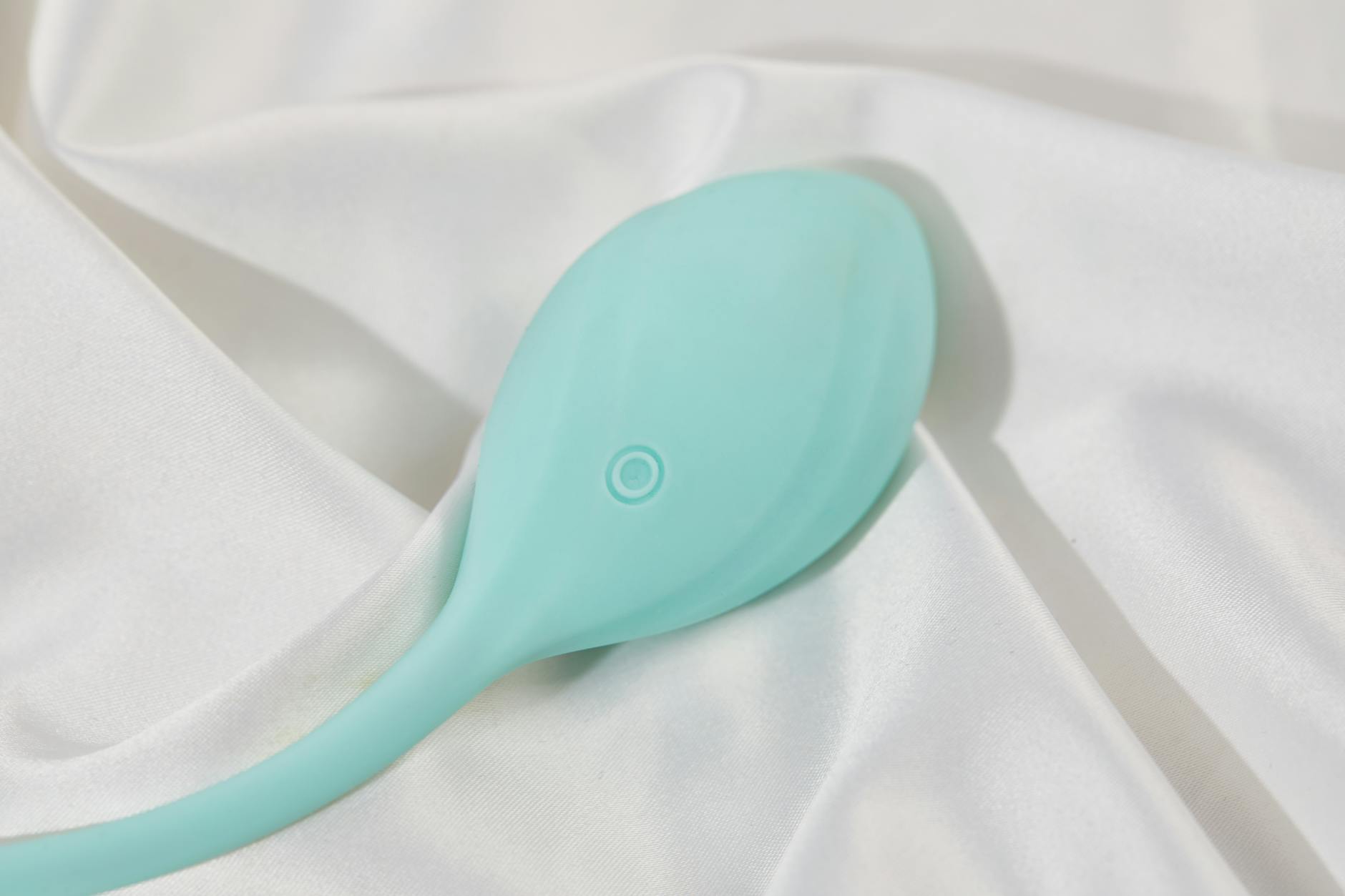
Photo by IFONNX Toys on Pexels
FAQ: Lemon vibrators and post-menopausal pleasure
Can you use a lemon vibrator if you haven't been sexually active for years after menopause?
Absolutely. If anything, these toys are ideal because they're gentle and don't require as much physical flexibility or partner coordination as some other options. Start with a low intensity and give yourself permission to go slow. Your body will remember what pleasure feels like, sometimes in new ways.
Do lemon vibrators work for everyone, or just post-menopausal bodies?
They work for a huge range of people across all ages and hormone profiles. Many people prefer them to traditional vibrators regardless of menopause status. Post-menopausal bodies just happen to find them particularly well-suited because of tissue changes.
How does a lemon clitoral vibrator compare to a wand vibrator after menopause?
Wand vibrators are powerful and deliver strong, broad stimulation. For some post-menopausal bodies, that intensity is perfect. For others, it feels too much or even uncomfortable on thinned tissue. Lemon vibrators are more targeted and use a completely different mechanism, so it really comes down to what your body prefers. Many people end up with both.
Is it normal for sensation to feel different or even uncomfortable when you restart sexual activity after menopause?
Yes. Tissue changes are real, and if you haven't been sexually active for a while, both external and internal tissue can feel tender initially. That doesn't mean you're broken. It usually means you need more lube, more warm-up time, and possibly lower intensity toys. If discomfort persists, see a gynecologist who specializes in menopause.
Can you use a lemon sucker toy if you've had hormone therapy or HRT?
Yes. HRT can change how your body responds to stimulation, but it doesn't make these toys unsafe or ineffective. Some people find they prefer different intensities after starting HRT because tissue is fuller and more responsive. Experiment and adjust your intensity level as needed.
What's the best way to clean a lemon vibrator after menopause if you're dealing with vaginal dryness or atrophy?
Wash it with warm water and mild soap, or use a toy cleaner. Pat dry and store in a breathable pouch. The material isn't affected by the fact that you're post-menopausal. Standard toy hygiene applies. Just make sure you're using plenty of water-based lube during use to minimize friction.
The takeaway
Menopause changes how your clitoris responds to stimulation. That's real, it's normal, and it's actually useful information. Lemon vibrators aren't a consolation prize for post-menopausal bodies. They're often genuinely better. Your pleasure matters now just as much as it ever did. Sometimes it just means finding the right tool.
If you're navigating changes in sensation or desire post-menopause, or if you're exploring tools for the first time, I'm here. Reach out at <a href="/contact">Hello Nancy's contact page</a> and let's talk through what might work for your specific situation. You deserve pleasure that feels good, not apologetic.