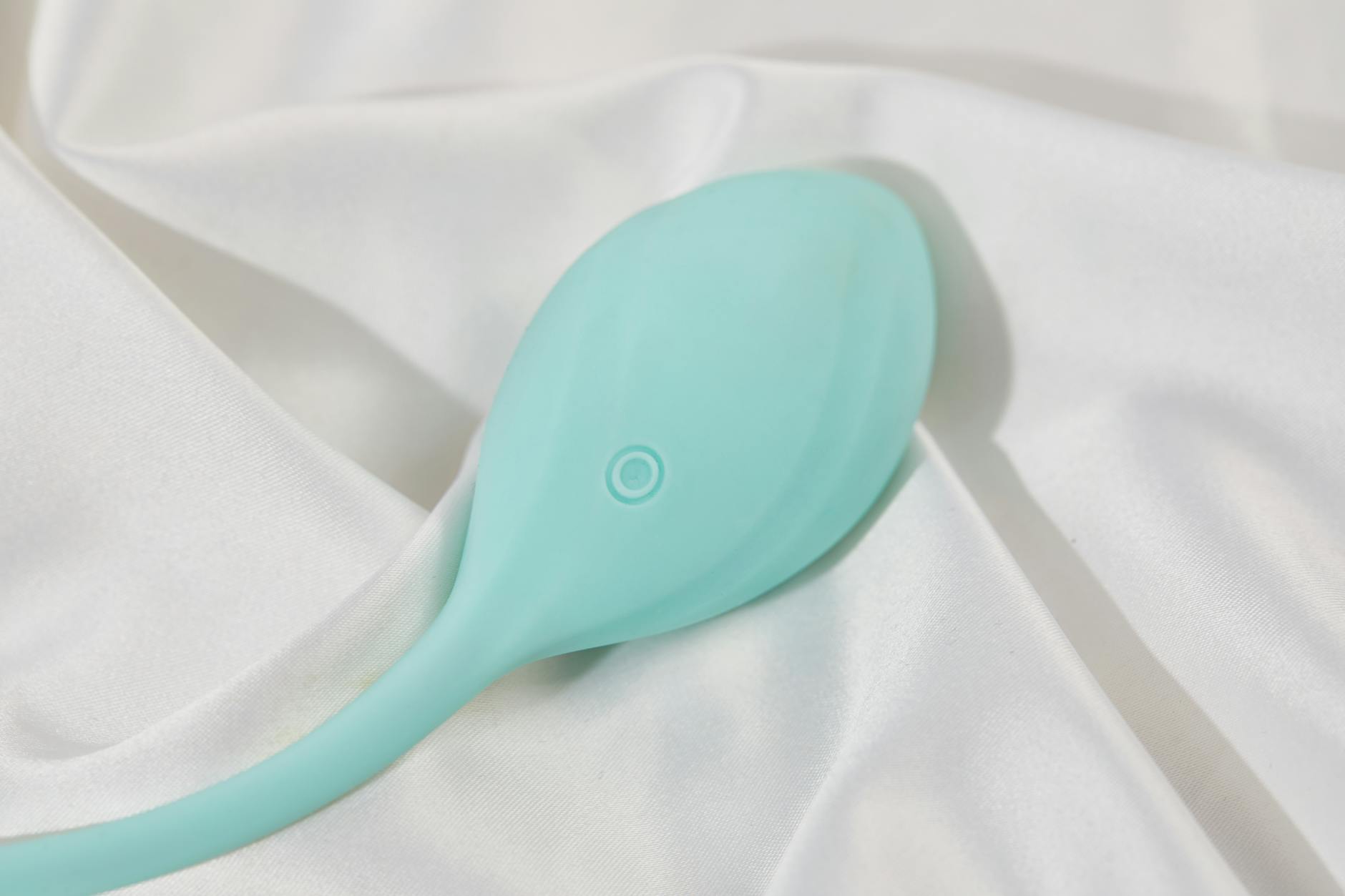
Let's be honest about what makes the difference
You've probably noticed that a lemon vibrator feels completely different from the wand or bullet you might have used before. That's not placebo. It's not marketing. It's neuroscience. The way suction-based lemon clitoral vibrators stimulate nerve tissue creates a fundamentally different sensory experience, one that often leads to longer, more intense orgasms.
Here's what's actually happening under the skin, and why your body responds the way it does.
How the clitoris is wired (the part they never taught you)
Your clitoris has roughly 8,000 nerve endings concentrated in an area smaller than your pinky fingernail. These nerves are organized in layers. The most superficial ones respond to light touch and vibration. But deeper down, embedded in the tissue itself, are nerves that respond to pressure and sustained suction.
Traditional vibrators mostly stimulate the surface. They're good at it, but they're working within one dimension. Lemon vibrators, and other suction-based toys, engage multiple layers at once. The suction pulls tissue into the toy, creating pressure that travels deeper into the clitoral structure. This means you're not just stimulating the tip. You're activating the entire erectile tissue network that extends internally.
That's why the sensation feels less like surface tingling and more like a building wave.
Why suction creates more intense climaxes
When you activate deeper nerve clusters, you're engaging more of the autonomic nervous system. Your body doesn't just register "sensation at the surface." It registers sustained pressure, which triggers a cascade of responses. Blood flow increases more dramatically. The pelvic floor contracts more forcefully. The brain floods with more dopamine and oxytocin.
This is why many people report that lemon vibrators produce longer orgasms. You're not experiencing one spike of pleasure. You're experiencing wave after wave because the stimulation is reaching tissue that sustains arousal better.

Photo by FounderTips on Pexels
I've worked with clients who've tried countless vibrators and finally switched to a lemon clitoral vibrator out of curiosity. The consistent report is that they had no idea an orgasm could last that long or feel that full-bodied. That's not because they've never experienced pleasure before. It's because they've never activated that particular nerve network in that particular way.
The rhythm matters as much as the motion
Suction toys work best when you use them intentionally. Unlike vibrators, which work best with quick, repetitive contact, suction-based lemon toys respond to rhythm and pressure. You can pulse the sensation on and off. You can build intensity gradually. You can create a pattern that your body learns to anticipate, which actually amplifies the climax when it comes.
This is where technique becomes pleasure. Traditional vibrators are fairly passive. You turn them on and the stimulation happens to you. Suction-based toys invite more participation. You're actively controlling the pressure, the rhythm, the intensity. That engagement itself changes the neurological response.
When your brain is actively participating rather than passively receiving, your entire nervous system is more engaged. This is why many people find that lemon vibrators require less time to build to orgasm but produce more satisfying results.
Sensitivity and the intensity paradox
Here's something counterintuitive: suction feels more intense, but it's often gentler on sensitive tissue. This is because the pressure is distributed across a wider surface area rather than concentrated on a single point. A vibrator, especially on high settings, can sometimes feel numbing or uncomfortable after a few minutes. Suction, by contrast, tends to feel increasingly pleasurable the longer you use it.
This matters especially for people whose clitori are naturally sensitive, or for those whose sensitivity changes (like after menopause, during hormonal shifts, or while taking certain medications). With a traditional vibrator, you might hit an intensity ceiling pretty quickly. With a lemon clitoral vibrator, you have much more range because the stimulation method itself is designed to be sustained.
The mental component you can't separate from the physical
Orgasm intensity isn't purely physical. Your brain is involved at every stage. If you're worried about numbing, or if you're using a toy that requires you to hold it at an awkward angle, or if the sensation feels foreign and you're bracing against it, your nervous system stays partially locked. You never fully relax into the pleasure.
One reason people report more intense orgasms with suction-based lemon vibrators is that the sensation feels so natural and comfortable that your brain stops anticipating discomfort. You can relax fully. And when you relax fully, your pelvic floor can contract and release more freely, which is a huge component of orgasm intensity.
This is where the bridge between physical sensation and mental state becomes critical. The toy that feels best isn't always the one with the most settings. It's the one that your nervous system trusts enough to fully surrender to.
Building intensity with lemon vibrators step by step
If you're used to traditional vibrators, the approach to using a lemon toy is slightly different. Here's what works:
Start on the lowest setting. You're not trying to reach climax immediately. You're exploring the sensation and letting your body acclimate to it. Spend a few minutes just feeling the difference. Notice how the pressure travels through your tissue.
After you've built some arousal, gradually increase intensity. Unlike vibrators where you jump settings, with suction toys you can stay at one intensity longer and let the pleasure deepen. Many people find that they don't need the highest setting. They reach more satisfying orgasms at medium intensity because they've allowed arousal to build gradually.
Experiment with rhythm. Try pulsing the toy on and off. Try slow, deliberate strokes versus staying still and letting the suction do the work. You'll find patterns that your body responds to most strongly. Once you find a rhythm that builds arousal quickly, you can recreate it intentionally.
When you feel climax approaching, many people find that holding the toy steady and slightly increasing pressure (rather than increasing vibration speed) creates a more powerful orgasm. Let your pelvic floor do the work. The toy is the initiator, but your body's muscular response is what creates the intensity.
Why you might feel more afterward
One thing I hear consistently from people who've switched to lemon vibrators: the afterglow feels different. It's more relaxed, more full-bodied. This is because you've activated more nerve tissue and more of your autonomic nervous system. Your body has a stronger feedback signal that pleasure has occurred. Oxytocin levels are higher. You feel more satisfied with less physical intensity.
This matters more than you might think. A lot of people end up using vibrators compulsively because the sensation doesn't feel quite complete. It's like eating food that's technically calories but leaves you feeling unsatisfied. A true, deep orgasm from a lemon clitoral vibrator leaves your nervous system satisfied. You don't feel the urge to keep going.
The comparison to what you might already own
If you've been using a wand vibrator, a lemon toy will feel almost shockingly different. Wand vibrators create broad, surface-level stimulation. They're great for fast climax, but they don't tend to create sustained pleasure. A bullet vibrator is more focused but again, mostly surface activation. A lemon vibrator, especially one designed well like the Lem, engages tissue at multiple depths simultaneously.
The intensity difference isn't about the toy being "stronger." It's about the toy being more capable of accessing the full range of your clitoral nerve network. Strength is one-dimensional. Depth is what creates that full-body, rolling-wave sensation that stays with you.
Common questions about intensity and lemon vibrators
Will I lose sensation using a lemon vibrator regularly?
Not if you use it intentionally. The key is rotating toys and leaving breaks between sessions. Because lemon vibrators create such deep satisfaction, many people actually use them less frequently than they used traditional vibrators. You're reaching a more complete orgasm with less session time, so your tissue gets adequate recovery. The risk of numbness is lower, not higher.
Can lemon vibrators feel too intense?
Yes, but only at the highest settings, and usually only for people with naturally very sensitive clitori or specific medical conditions. The beauty of suction toys is that you have a much wider intensity range to work with. You can stay at setting 2 or 3 and still reach profound orgasms. Most people find their sweet spot well before maximum intensity.
Do lemon vibrators always produce longer orgasms?
They have the potential to, but not automatically. The length and intensity of an orgasm depend on arousal level, mental state, and your body's individual response. Some people find that lemon vibrators allow them to have multiple orgasms back-to-back because the stimulation doesn't create numbness. Others find one longer, more satisfying orgasm is exactly what they needed.
How does a lemon vibrator compare to partnered stimulation?
Differently, not better or worse. A partner's fingers can create sustained pressure and rhythm, similar to what a suction toy does. The difference is consistency and precision. A lemon clitoral vibrator can sustain exact pressure and rhythm indefinitely. If you're exploring using one with a partner, the toy becomes a tool for consistency while your partner focuses on the rest of your body and the connection between you. Many couples find this combination more satisfying than either alone.
Can I achieve orgasm faster with a lemon vibrator than other toys?
Many people report yes, especially if they've had difficulty reaching climax before. The activation of deeper nerve tissue often shortens the path to orgasm. But "faster" isn't the goal. Many people find that even if they reach climax in similar timeframes, the quality and intensity feel dramatically different.
Is there a learning curve to using lemon vibrators?
Not really, but there is an exploration phase. Your body needs to understand what the sensation is and learn to lean into it rather than tense against it. Give yourself a few sessions to get comfortable. After that, most people find they prefer the sensation to anything else they've tried.
The bigger picture: intensity is just one part
Yes, lemon vibrators often create more intense orgasms. But that's not the only reason people switch to them and never look back. They're quieter. They're more comfortable to use for extended periods. They create less numbness. They feel better with partners. They're easier to clean.
If you're considering trying a lemon clitoral vibrator, intensity is a bonus, not the main benefit. The real shift is in feeling like your pleasure is actually being understood and supported by your toy instead of just barely getting there. That changes things.
Your orgasms deserve better than surface stimulation. Your nerve endings deserve activation at every level. And your body deserves a tool that's designed around how you actually work, not around generic assumptions about what vibration can do.
If you have more questions about whether a lemon vibrator is right for you, or if you want to talk through what might work best for your body, reach out here. We're here to help you find what actually works.
People also ask
Why does suction feel more satisfying than regular vibration?
Suction reaches deeper nerve layers in the clitoral tissue, creating pressure and sustained stimulation that vibration alone can't achieve. This deeper activation engages more of your autonomic nervous system, leading to more full-bodied, intense pleasure. It's similar to the difference between a light tap and a sustained press. Your nervous system responds more dramatically to the sustained stimulus.
Can a lemon vibrator cause numbness if I use it too much?
Unlike traditional vibrators, suction-based lemon toys are less likely to cause numbness because the stimulation method is gentler on tissue. That said, any toy used excessively without breaks can potentially reduce sensation. The key is using intentionally and giving your body recovery time between sessions. Because lemon vibrators create such complete satisfaction, most people naturally use them less frequently than other toys.
How long does it take to reach orgasm with a lemon vibrator?
It varies by person and arousal level, but many people report reaching orgasm faster with a lemon clitoral vibrator than with traditional vibrators, especially if they've had difficulty climaxing before. The deeper nerve activation tends to shorten the path to orgasm. However, the focus shouldn't be on speed but on the quality and intensity of the experience.
Should I use a lemon vibrator differently than other vibrators?
Yes, slightly. Instead of rapid on-off usage, suction toys respond best to sustained pressure and rhythm. You can pulse the sensation, experiment with different pressure levels, and let arousal build gradually. Many people find they don't need the highest setting, whereas traditional vibrators often require ramping up intensity quickly.
Will a lemon vibrator feel weird the first time I use it?
It might feel different, but most people find it pleasant immediately. The sensation is unique compared to vibrators you may have used before. Give yourself a few sessions to acclimate. Your body will quickly recognize that this deeper, sustained stimulation feels genuinely better. What seems unusual at first usually becomes your favorite within a session or two.
Is the intense sensation from a lemon vibrator the same for everyone?
No. Every body is unique. Some people experience dramatic intensity shifts with suction toys immediately. Others feel a noticeable difference but more gradually. Factors like hormones, stress, medication, and individual nerve sensitivity all play a role. The general trend is more intense and satisfying orgasms, but your specific experience will be your own. That's actually a good thing. It means you'll discover what works best for you through exploration, not assumption.