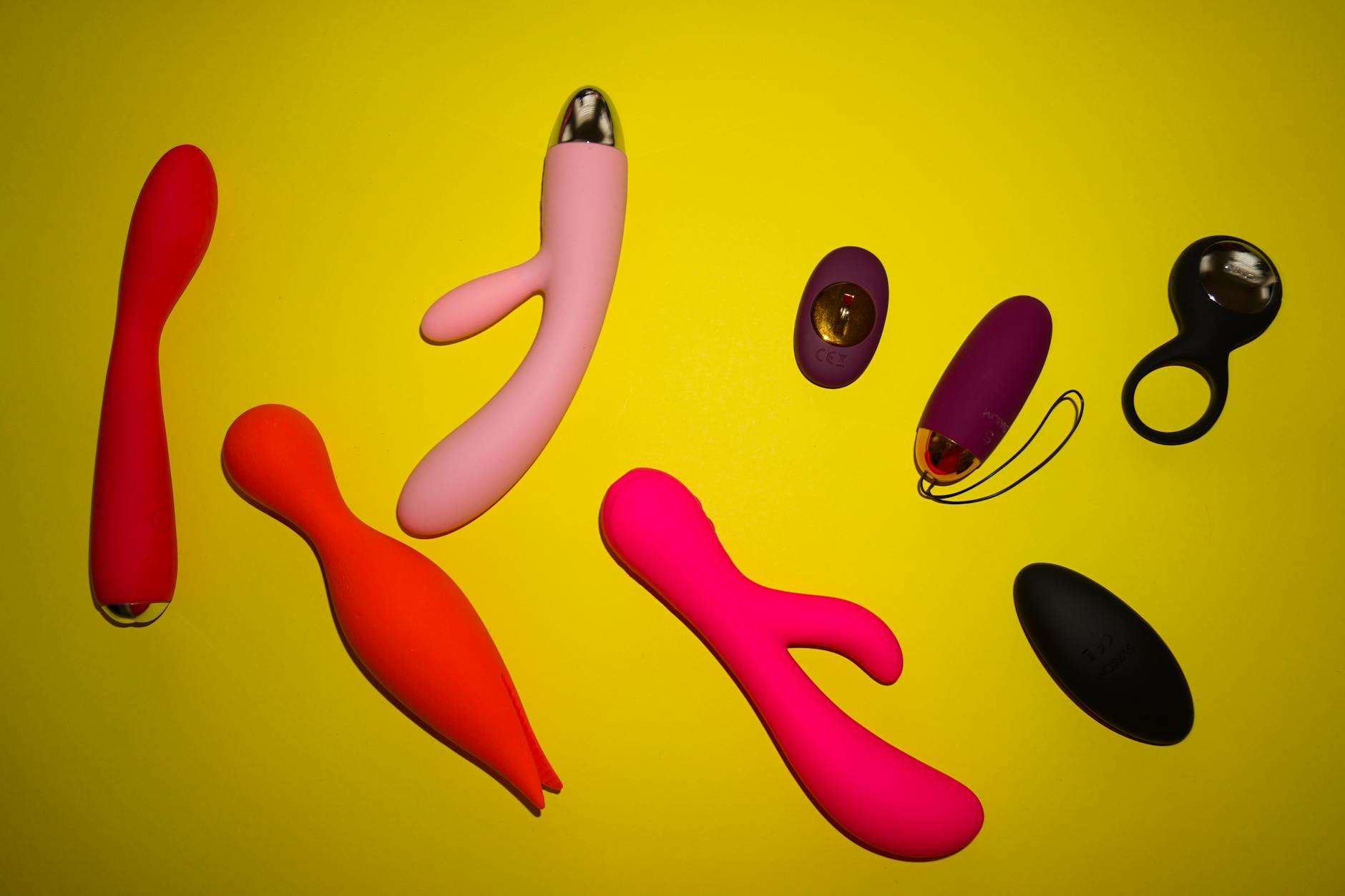
The sensitivity problem nobody talks about
Let's be real. You've probably heard that "vibrators are for everyone," and they are. But what nobody mentions is that sensitivity changes how they feel, sometimes dramatically. If your clitoral tissue is tender, raw, or hypersensitive (whether from repetitive stimulation, hormonal shifts, post-surgery healing, or just how your body is wired), a traditional vibrator can feel anywhere from uncomfortable to unbearable. That's not a failure on your part. It's a mismatch between the tool and your current tissue state.
Here's what actually happens physiologically when tissue is sensitive, and why lemon sexual toys designed with suction rather than vibration can feel like a completely different experience.
Photo by cottonbro studio on Pexels
What makes tissue sensitive in the first place
Sensitivity isn't a single thing. It's a spectrum, and the cause matters because it determines which type of stimulation will work.
Inflammation or micro-tears. If you've had intense solo sessions or lots of friction-based play, the thin skin covering your clitoris can develop tiny tears or become inflamed. Your nerve endings register this as heightened sensitivity. Friction makes it worse. Suction avoids the friction problem entirely.
Nerve hypersensitivity (allodynia). Sometimes nerves become overstimulated from repetitive vibration and start firing more easily. What used to feel good suddenly feels too intense. This is different from inflammation. Your tissue isn't damaged. Your nervous system has just been trained to respond faster and harder.
Hormonal thinning. Menopause, certain medications, or hormonal shifts can reduce tissue thickness and lubrication. Thinner tissue means nerves are closer to the surface, so any direct pressure feels magnified.
Post-surgery or injury healing. After gynecological procedures, childbirth recovery, or trauma, scar tissue and healing inflammation can make the area exquisitely tender for weeks or months.
In all these cases, the clitoris is still fully functional. It still wants stimulation. It just needs a different kind.
Why vibration intensifies sensitivity
A traditional vibrator uses rapid back-and-forth or up-and-down movement. That's friction at high speed. Friction creates heat, stimulates a wide area of tissue at once, and can trigger nerve endings that are already on high alert.
Think of it this way. If your arm has a sunburn, you can still touch it, but rubbing it fast makes it worse. Tapping gently helps more. Vibration is the fast rubbing.
With sensitive tissue, that friction stimulates pain receptors and pleasure receptors at the same time. Your brain gets confused signals. You might feel arousal and discomfort layered together, which creates a weird, almost electric sensation that's hard to enjoy.
Why suction works differently for sensitive tissue
Lemon clitoral vibrators and similar suction-based lemon adult toys don't move side to side. They create gentle, consistent pressure and release cycles. That's fundamentally different from vibration.
Instead of friction across the surface, suction pulls tissue gently upward and inward. It stimulates without dragging. The sensation is more diffuse, less intense at any single point, and it doesn't trigger the same friction-response in nerve endings.
For sensitive tissue, this means several things happen:
First, there's no heat buildup. You're not creating friction, so temperature stays steady.
Second, the pressure is gentler and more distributed. A suction vibrator spreads stimulation across a wider area rather than concentrating it in one hot spot.
Third, you can control intensity completely independently of the area being stimulated. With a traditional vibrator, turning down the vibration strength means less pleasure everywhere. With lemon vibrators, you can use a lower suction setting on the exact same tissue and feel a world of difference.
The sensation shift from vibration to suction
Most people describe the transition like this. Vibration feels sharp, electric, pointed. It's easy to overstimulate because the sensation builds so fast. Suction feels rounder, softer, more pulling. It builds pleasure gradually and feels like it's coming from deeper, not just from the surface.
With sensitive tissue, that difference is everything. You get sustained arousal without the spike-and-crash intensity that traditional vibrators produce. And because suction doesn't rely on friction, you can use it longer without irritation.
This is why many people find that lemon clitoral vibrators work when traditional vibrators cause pain. It's not because the sensation is weaker. It's because it's different in a way that your nervous system can actually process.
Intensity settings matter more than you think
With sensitive tissue, suction strength isn't a luxury choice. It's the main event.
Lemon vibrators typically offer multiple suction intensities, usually 1-5 or similar. Start with pattern 1 or 2. Pattern 1 should feel like a gentle, rhythmic pull. If even that feels too intense, you can dampen it further by using lubricant (which reduces the seal and decreases suction power) or by not inserting the toy deeply.
Many people with sensitive tissue skip the highest intensities entirely. They camp out on pattern 2 or 3 and build arousal there over 15-20 minutes. The slower build is actually more satisfying for sensitive bodies because it gives your nervous system time to downregulate and settle into pleasure.
This is very different from traditional vibrators, where you feel like you have to turn it up to feel anything. With suction, less is often more.
Warm-up and lubrication become essential
When tissue is sensitive, rushing doesn't work.
Give yourself 10-15 minutes of foreplay or clitoral massage before using a lemon sexual toy. Your clitoris needs to swell slightly and prepare. The tissue needs to become less reactive. Then, when you introduce the toy, your body is ready.
Use a water-based lubricant. It reduces friction during insertion, helps create a better seal for the suction, and keeps everything gliding smoothly. A dry introduction can trigger pain even if the toy itself is gentle.
Photo by FounderTips . on Pexels
How long sensitivity usually lasts
If you're dealing with sensitivity from repetitive overstimulation, taking a 5-7 day break often helps. That's long enough for micro-inflammation to calm down. Your nerve endings also need time to downregulate.
After that break, you can reintroduce stimulation with a lower-intensity tool like a lemon vibrator. Many people find that using suction instead of vibration actually prevents sensitivity from returning, because there's less chance of creating new micro-tears.
If sensitivity persists beyond 2-3 weeks or comes with pain that doesn't improve, talk to a gynecologist. Persistent sensitivity can signal something that needs professional attention, like an infection or hormonal imbalance.
For surgical recovery or hormonal thinning, sensitivity improves on its own timeline. Topical estrogen (if relevant), consistent but gentle play, and patience usually work. Lemon clitoral vibrators are perfect during this phase because they let you stay connected to pleasure without making healing worse.
The psychological layer
Here's something I see all the time in my practice. After a period of sensitivity, many people become anxious about play. They worry that stimulation will hurt, so they avoid it. That avoidance actually makes sensitivity worse because the tissue doesn't get the gentle, regular stimulation it needs to recover.
Using a tool specifically designed for sensitive tissue (like a lemon vibrator with adjustable suction) can break that anxiety loop. You're in control. You can feel the difference between "too much" and "just right." That sense of control rebuilds trust in your body.
People also ask
Can I use a lemon clitoral vibrator if my tissue is very inflamed?
Start with the absolute lowest suction setting, and even then, give it a test run of just 2-3 minutes. If there's pain (not just unusual sensation, but actual pain), wait another few days. Inflammation needs rest first. Once inflammation calms, suction is much gentler than vibration for continued recovery.
Does using a lemon sexual toy actually help sensitivity go away?
Yes, often. Gentle, consistent stimulation (at low intensity) helps normalize nerve response and rebuild arousal pathways. The key is consistency without overdoing it. Use your lemon vibrator 2-3 times a week at low settings, not every day at high ones.
Why does suction feel less intense than vibration if they're both stimulating the same area?
Because vibration is friction, and friction triggers a different set of nerve responses. Suction is pressure and release without sliding, which your nervous system processes as less urgent. It's like the difference between scratching and pressing. Both touch the same skin, but one feels way more intense.
What if I'm sensitive because of hormonal changes, not overstimulation?
Hormonal sensitivity (like after menopause or during certain cycle phases) is best managed with lubrication, longer warm-up, and lower suction intensities. Your tissue isn't damaged. It's just thinner and more reactive. That improves with consistent gentle play, not avoidance. Many people find that using a lemon vibrator regularly helps regulate sensitivity over time.
Can sensitivity come back if I overdo it again?
Absolutely. Once you've had it, you know the warning signs. Stop before you reach pain. If you notice increasing sensitivity, dial back for a few days. Think of it like any physical recovery. It's easier to prevent damage than to heal it.
Is there a difference in how different lemon clitoral vibrators handle sensitive tissue?
Yes. Suction-based designs (like the Lemon Clitoral Vibrator) are specifically engineered to be gentle on sensitive tissue because they avoid friction entirely. If you're shopping for something new and you know you're sensitive, suction is your baseline. Then compare intensity ranges and ease of control from there.
The bottom line
Sensitive tissue isn't the end of your pleasure. It's information. It's your body saying "I need a different approach." Lemon clitoral vibrators and similar suction-based lemon adult toys exist partly because people with sensitive tissue deserve devices designed for them, not afterthoughts.
If you're dealing with sensitivity right now, give yourself permission to slow down, use a lower intensity, and trust that this phase won't last forever. Your body is resilient. You just need the right tool and some patience.
Have questions about what might work for your specific situation? Reach out to our team. We're here to help you find the right fit.